I came within 170 meters of North Korea using this travel hack
I came within 170 meters of North Korea using this travel hack
Happy 4th of July! Over a third of the summer is gone in the blink of an eye. In June, my family had a great trip to China, followed by a jaunt to Korea. I will do a newsletter on China next time, but since Korea is fresh on my mind, this newsletter is about that.
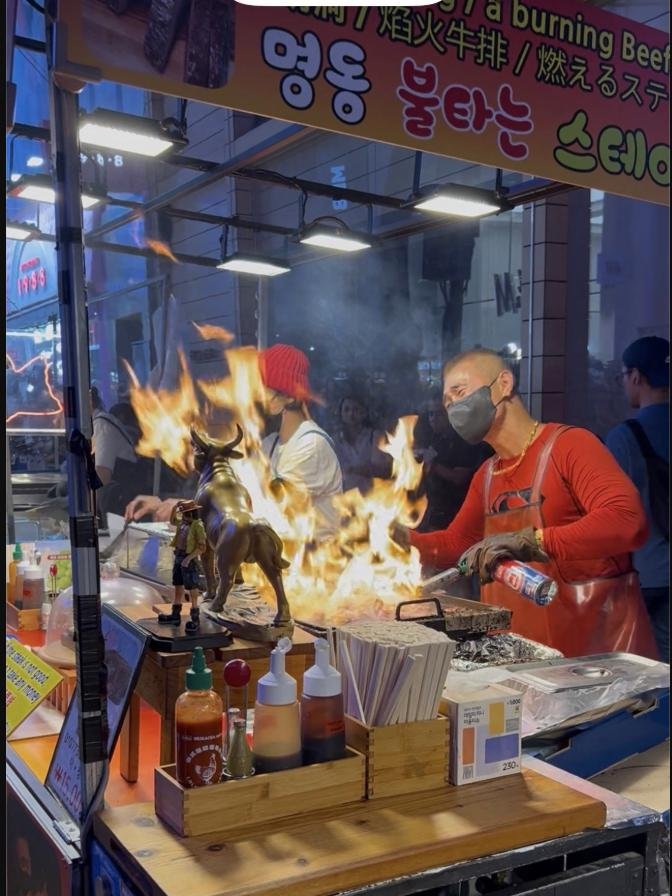
The soul of Korea is Seoul (super corny, I know, but there was actually a campaign by the city called Seoul, My Soul). Over half of South Korea's population—26 million out of about 51.6 million—live in the Seoul Capital Area. We stayed at the Myeongdong (明洞) neighborhood, where the night market was vibrant and brimming with bubblegum joy like a K-pop tune. The whole area was so boisterously and unapologetically touristy that we had to lean into it. It was just more fun that way.
The next touristy thing we did was a DMZ (Demilitarized Zone) tour.
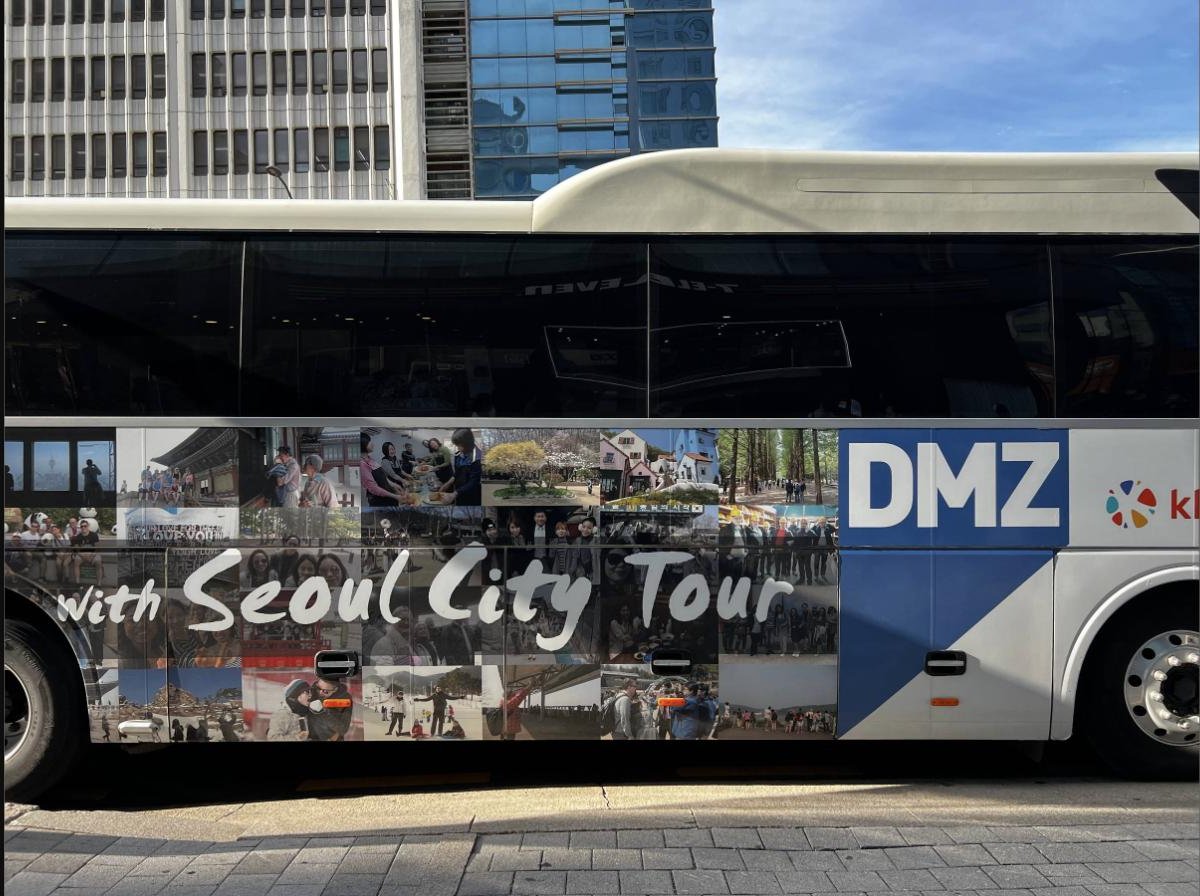
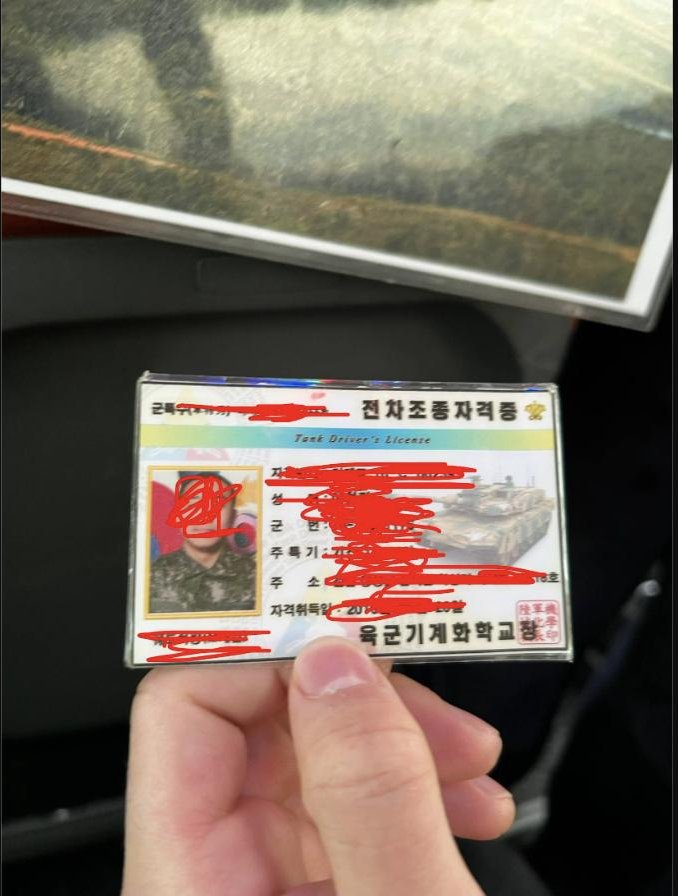
The guide was an energetic and friendly ex-tank driver. I asked him, "Is it true that today's young South Koreans aren't getting married? They are just going to K-pop concerts, traveling, and having a good time?" To which he answered, "100 percent!"
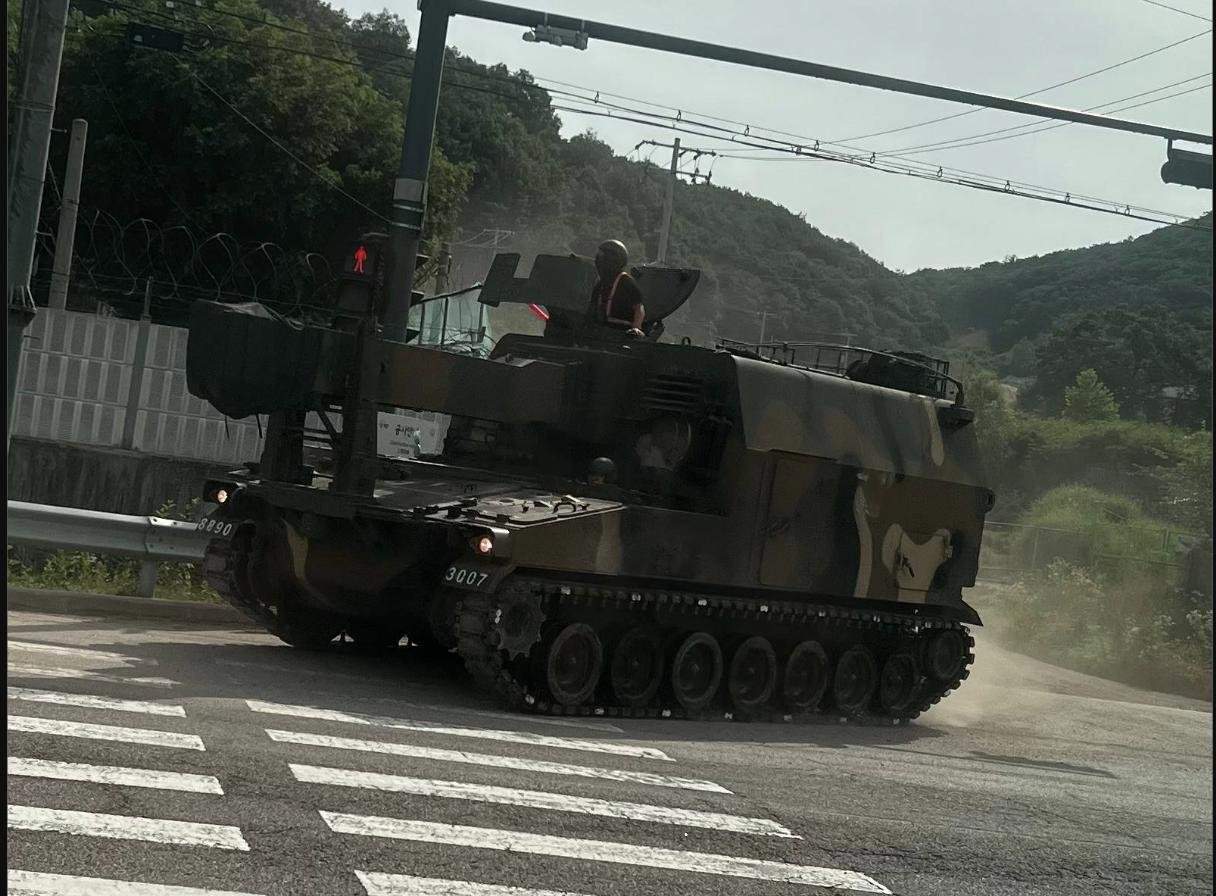
All able-bodied adult South Korean males are required to serve in the military. Even BTS, the country's (and arguably the world's) biggest boy band had to disband a few years ago so its members could serve in the military. The country is still technically at war: the Korean War had ended with an armistice agreement but no peace treaty. I didn't fully grok the gravity of this until we came to the Civilian Controlled Line (CCL) and had to hand over our passports to be checked by soldiers. No photos were allowed of the soldiers on the bus, but I did get a photo of tanks turning onto the main road.
The first stop was at the DMZ museum, where we got to interview a North Korean defector. Contrary to the gaunt peasant I had imagined, the defector was a vivacious woman in her mid-40s, smartly dressed and coiffed, so poised and well-spoken that I could've taken her for an elementary school principal. Speaking through an interpreter, she told us that her husband was a fisherman and she had sold fish at the market in North Korea. One day, the government wanted to seize her husband's fishing boat. Faced with the loss of their livelihood and a bleak future for their 14 year old son, they decided to leave. Unlike most defectors who went through the Yalu or Tumen River to first cross into China then to South Korea, her family bribed the guards, then took the fishing boat across heavily guarded maritime waters. The brave and highly unusual endeavor had caused quite a sensation at the time. I bought a book of stories of the defectors, which had chapter titles such as "Surgery by Candle Light" and "Market Lessons in the Years of Hunger"—a book that we will turn to whenever our own lives feel hard.
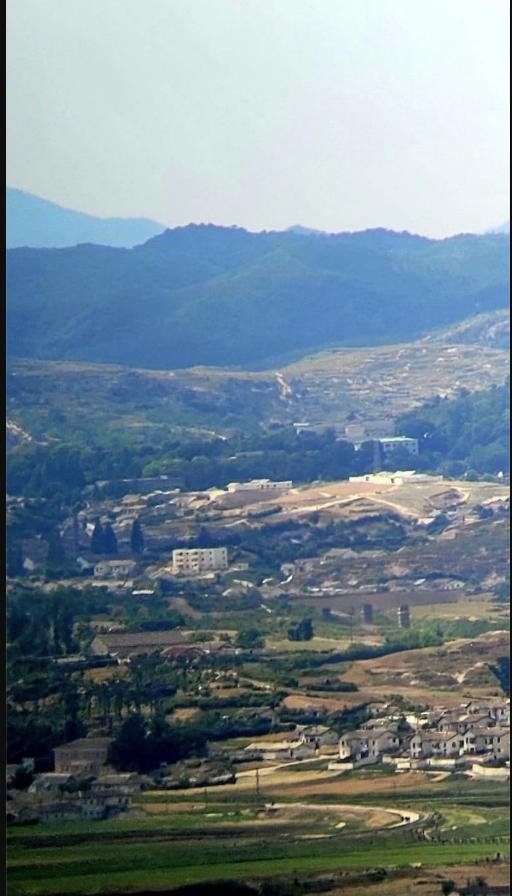
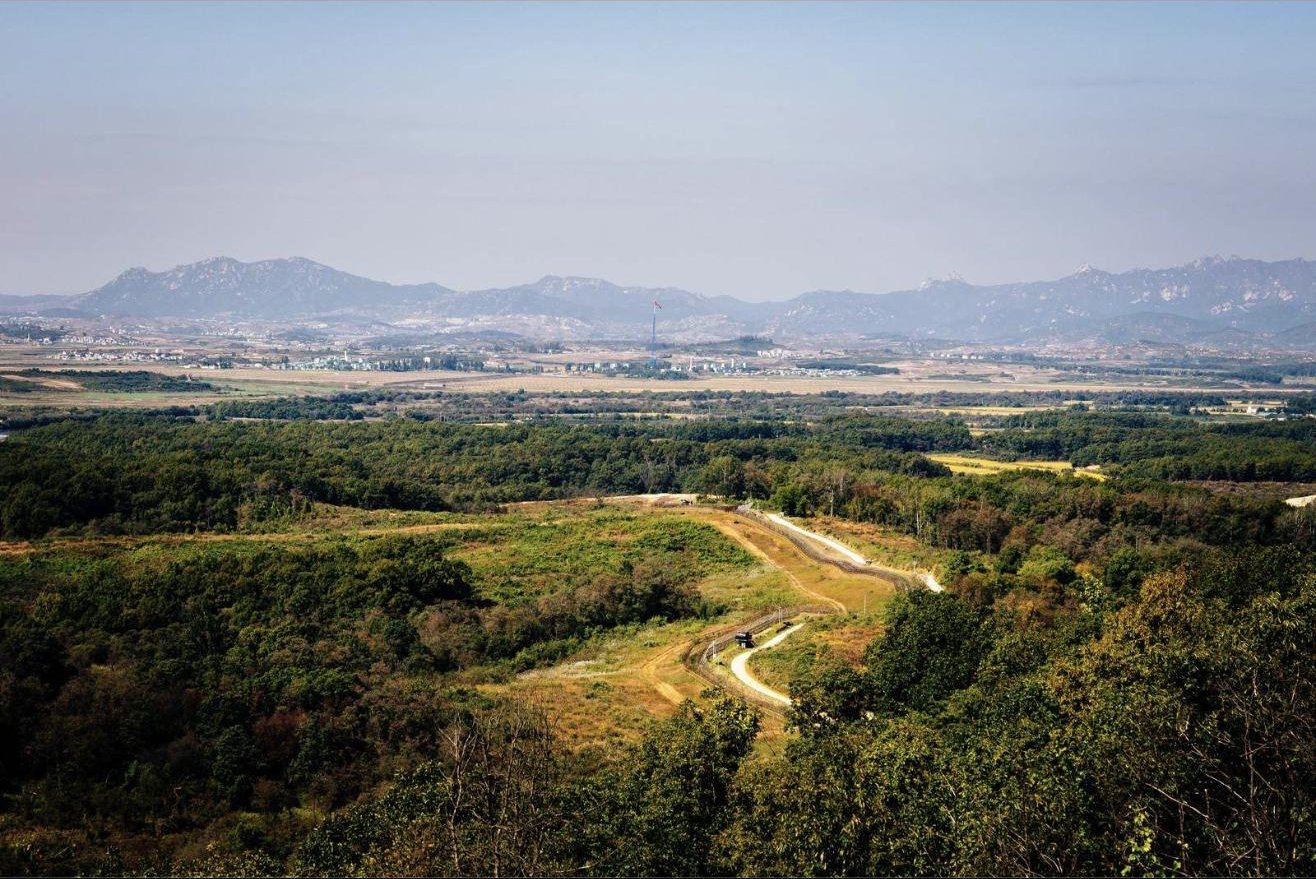
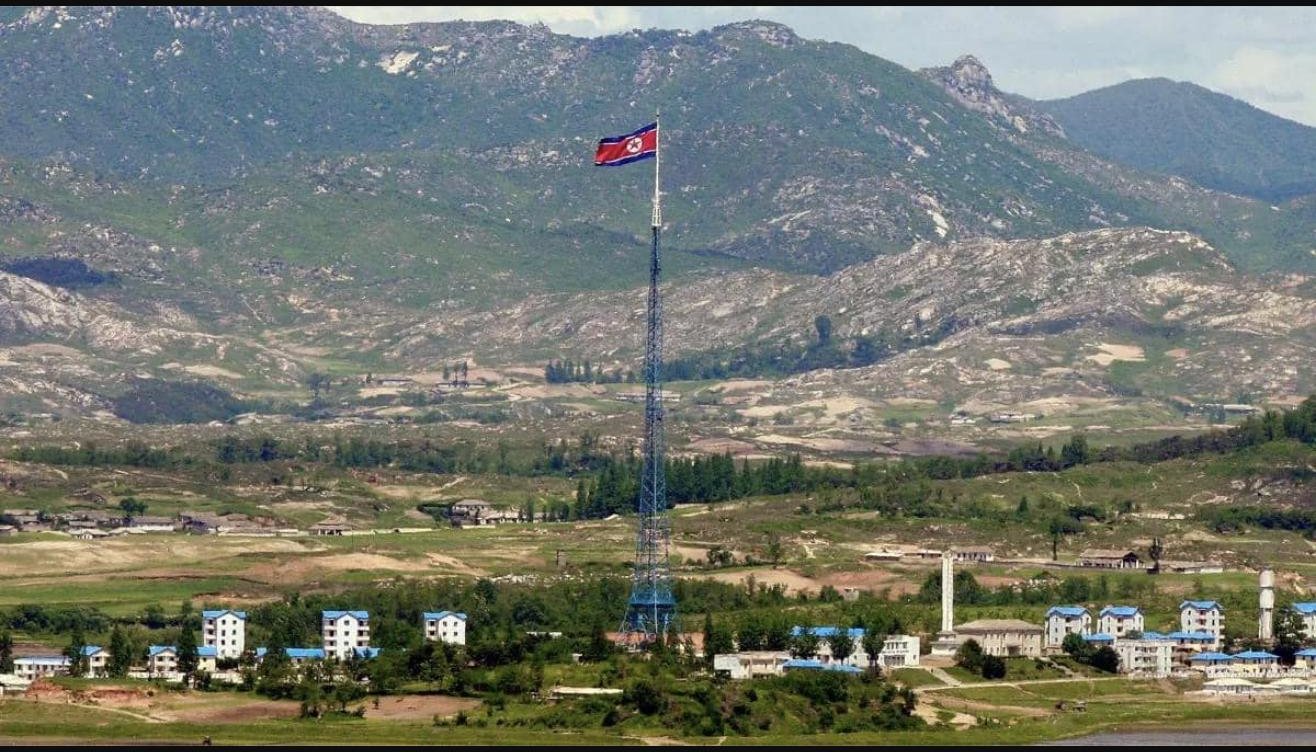
At the Dora Observatory, we got a glimpse of North Korea across the border. It was a supremely clear day; the hills were lush and green all around. Across the river and the path that corresponded to the MDL (Military Demarcation Line), were the "propaganda village" in which no North Koreans actually resided, the competing flagpoles of the North and South villages, and the factories built by South Korean business people during a period of thawing relations, prior to the nuclear tests. Through the telescopes, we could see guards hanging out outside watch towers, and people bicycling across fields—photons bouncing off actual living North Koreans were flying into our own eyes. There didn't appear to be any tourists on the other side. Taking photos of North Korea from the observatory was strictly prohibited—any infraction might put the guide's job at jeopardy. The ones here were given to us by the tour guide, and they look exactly like what we saw.
At the museum, a label on a map caught my attention: the site of the Panmunjom axe murder incident. A little digging turned up this gruesome tale: In 1976, a group of unarmed American and South Korean soldiers were trimming a poplar tree in the JSA (Joint Security Area) of the DMZ. Some North Korean soldiers showed up and asked them to stop, because the tree was a favorite of their Dear Leader (unclear if it was the type of tree or that specific specimen). When the other soldiers refused, the North Korean soldiers attacked. Most of the U.S. and South Korean soldiers were injured, and two Americans got killed—by the tree trimming axe as much as by ideology.
At the Imjingak area, we saw incredibly moving monuments and statues: the Mangbaedan, where Northerners displaced by the war and their descendants come to perform ancestral rites during major holidays; the Comfort Women statues honoring the victims of forced military sexual slavery during World War II; and the "30 Years Lost" song monument commemorating the special program in 1983 designed to help reunite family members who had been separated for over three decades following the Korean War. The last monument felt very personal—you may recall that in my last newsletter, I mentioned a very similar separation my grandpa and his brother suffered following the Cultural Revolution of China, and the joy of their reunion in Beijing in the 1980s.
Between 1970s-1990s, four underground infiltration tunnels dug by the North into the South were discovered, some accidentally, and some with help from defectors. There may still be more undiscovered ones. Built for a surprise attack that never took place, the passages are designed to transport 30,000 soldiers per hour. Hats off to the South Koreans for turning something so insidious into a tourism opportunity, so we can all hand over some dollars/wons and have a laugh at the Wile E. Coyote-like nature of this effort. Sometimes, the best defense against hard-nosed ideology is lightheartedness, which the South Koreans excel at.
We got to tour the third tunnel. First, we walk down an interception tunnel built by the South for connecting visitors to the infiltration tunnel. Then shelves of hard hats appeared. I was glad that I had enough sense to wear one, for the tunnel soon got smaller and more rough hewn, and a protruding rock smacked my head pretty hard, a reminder not to mess with the North Koreans. We were now in the infiltration tunnel. As we descended, it got colder. Water seeped through walls. No photos were allowed, but as I felt the pressure change in my ears, I thought, I would always remember this. The end of the tunnel was blocked. Through an opening, I could see ferns growing on the other side. A drinking fountain was thoughtfully installed here. As I drank thirstily, it suddenly hit me: we were only 170 meters away from North Korea, so this water probably came from there. Being an American, this was probably as close as I would ever get to that country, should reunification never happen in my lifetime.
The rest of our time in Seoul was very chill. We chanced upon a free concert at the park, petted cats at one of the best cat cafes ever, took photos in front of the Gangnam Style statue, and sampled Korean BBQ. The musicians in my family insisted on visiting the massive Nagwon Musical Instrument Arcade, which, given the significance of the K-pop exports, would be like visiting the electronics district in Shenzhen. Speaking of K-pop, BTS had returned and was everywhere. We had lunch at a diner that played BTS videos all day long. We also bought some BTS Oreos at a snack shop, thinking they were special.
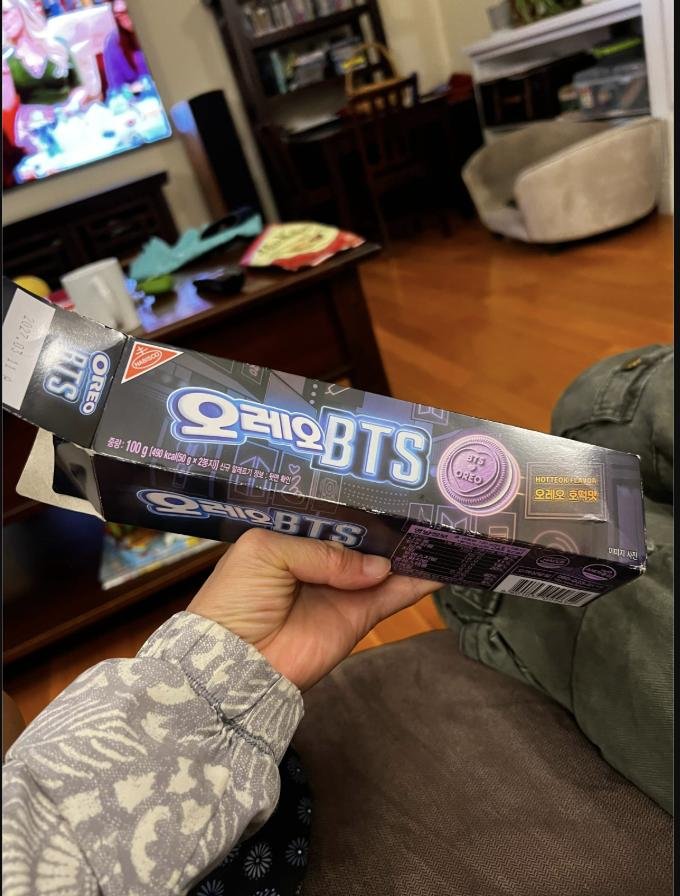

Turned out they're available online through Target and Walmart in the U.S., so get your fix now!
I used one of my favorite travel hacks for us to go to Korea: when there is no direct flight to the destination, rather than enduring a long layover at the hub city's airport, I would reconstruct the route with a few days of stay at the hub city. In this case, the fastest route between Nanjing and San Francisco was through Seoul, so I added on a three-night stay here. I would then book a day tour like the DMZ tour online. I've used several day tour sites in the past with satisfactory results, including Viator, GetYourGuide and Guruwalk (any of these websites, feel free to reach out with a sponsorship spot!)
In a time when traveling abroad as Americans can feel somewhat fraught, it was nice to be in a country that's clean, safe, and welcoming—we didn't have to pretend to be Canadians here. Even if South Korea isn't your next travel destination, you can still enjoy so much K-culture from the comfort of your own sofa, such as the Netflix documentary BTS: the Return.
Until next time,
Diana