A June 4th in Shanghai
We arrived in Shanghai on June 3rd. Since the flight landed late in the day local time, I tried to sleep as little as possible on the way over, which in my experience made the jet lag easier to shake. Instead of reading or watching movies, I spent much of the time editing my historical mystery manuscript. (Stay tuned for that, readers.)
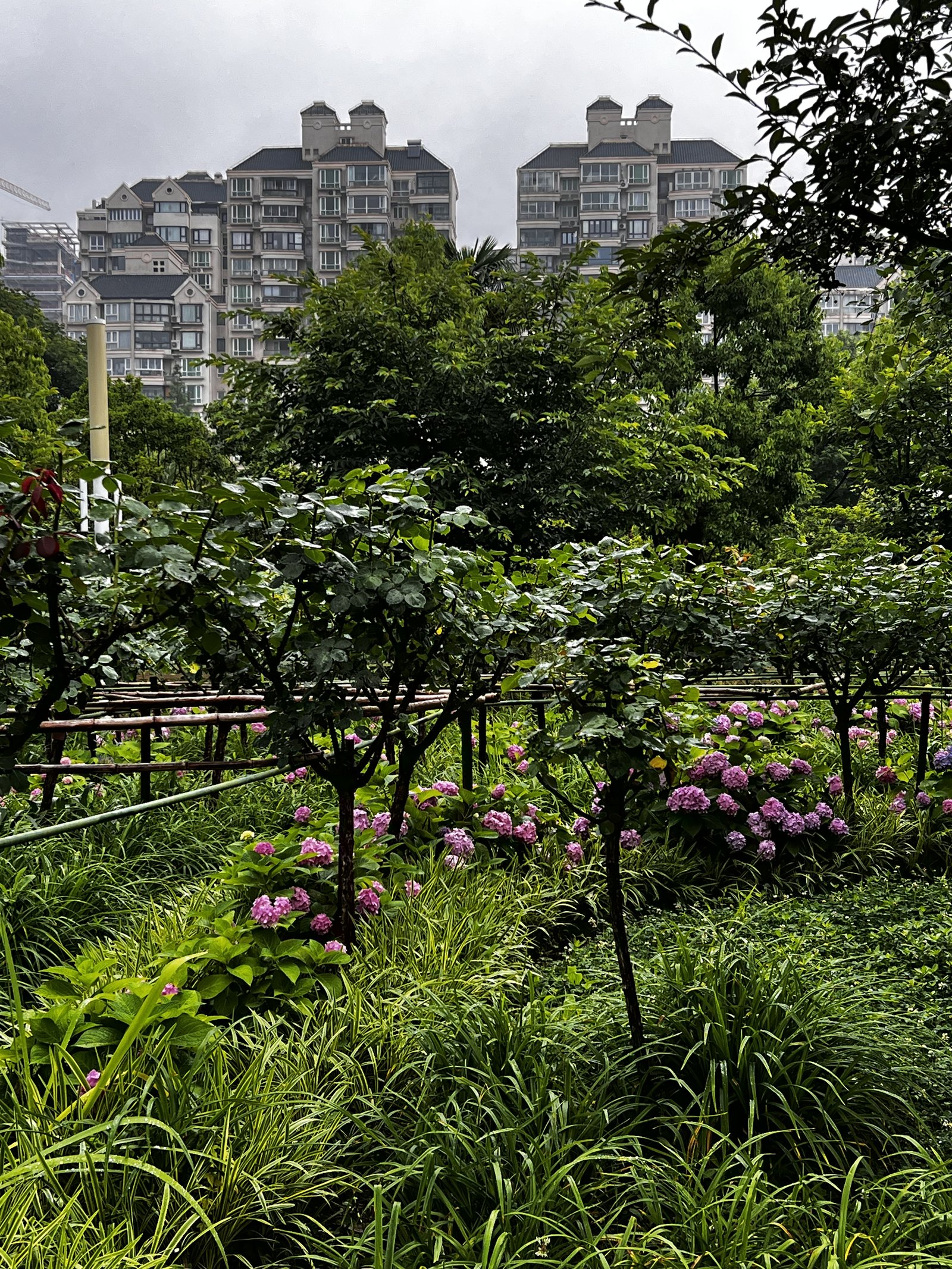
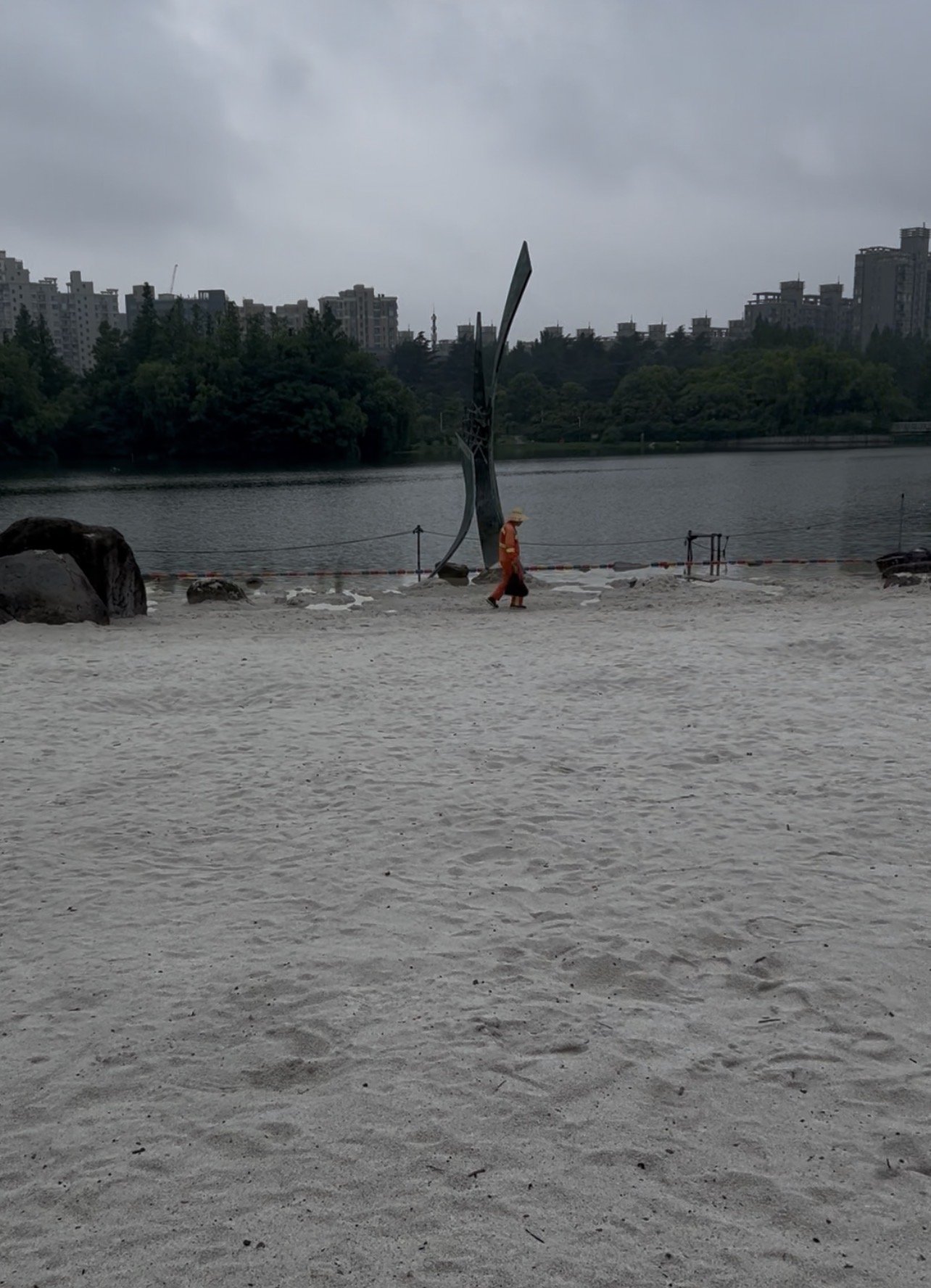
On June 4th, I went for a morning run to reset my circadian rhythm. There's a park about a 10-minute run from my mom's apartment. It has a rose garden, a koi pond with lotuses, a bunch of walking trails, and a "beach" that would be full of families on the weekends but was empty on a drizzly weekday morning. Shanghai now has over 1,100 such public parks and green spaces, a terrific way to show people's tax yuan at work.
On the way back, I did a double-take of a billboard next to a subway stop where a lot of shared bikes are parked.
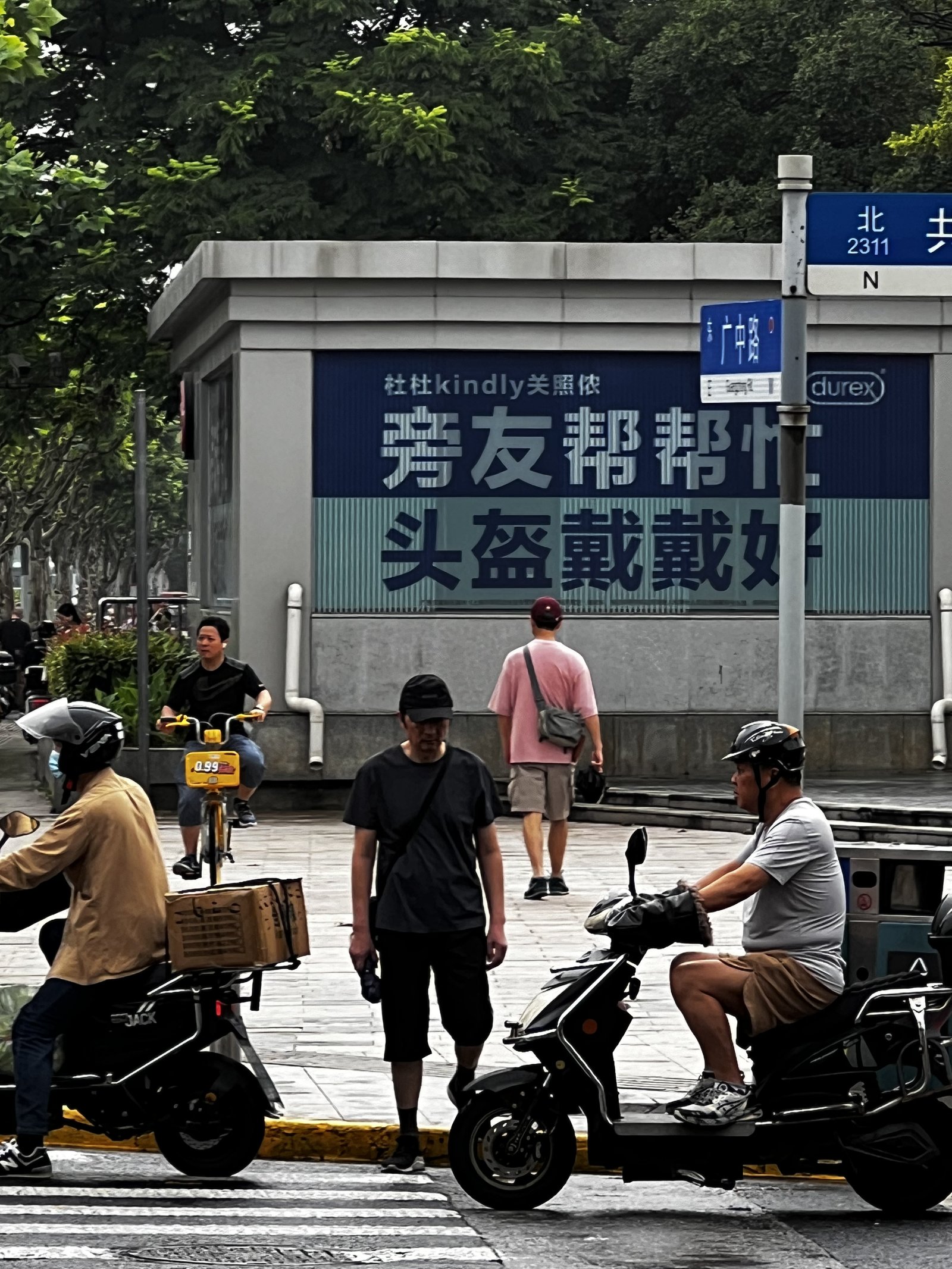
It says in Shanghainese dialect: Friend, please help. Put on the helmet.
On first glance, it appeared to be a public safety announcement, but closer inspection shows it's not the kind one might think—it's a Durex ad.
From 1979 to 2015, China instituted the infamous one-child policy, and we were used to seeing propaganda painted on walls with slogans such as "Planned birth is good" and "Marry late, give birth late." Now that China's fertility rate has dropped off a cliff to well below replacement rate, the government has reversed course and is actively encouraging people to have more babies. The neighborhood committees—the same ones that used to enforce the one-child policy—are now calling women to inquire about their childbearing plans and menstrual cycles. So it's good to see that the private sector is still doing its bit to remind people of safe practices.
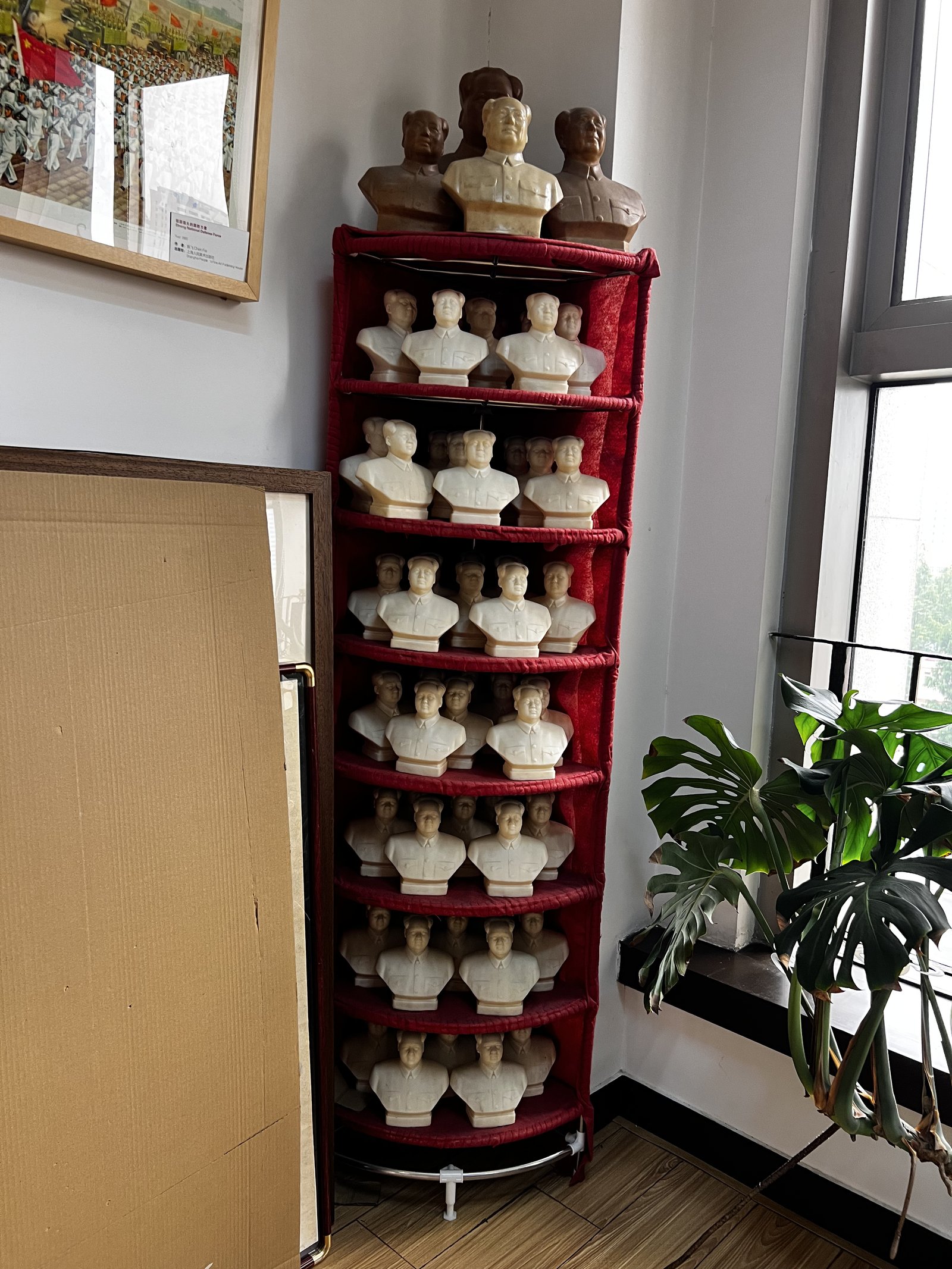
After breakfast, the family headed for the Shanghai Propaganda Poster Museum (上海杨培明宣传画收藏艺术馆). Housed in a nondescript office building, this little private museum showcases a collection of propaganda posters collected by one Mr. Yang Peiming.
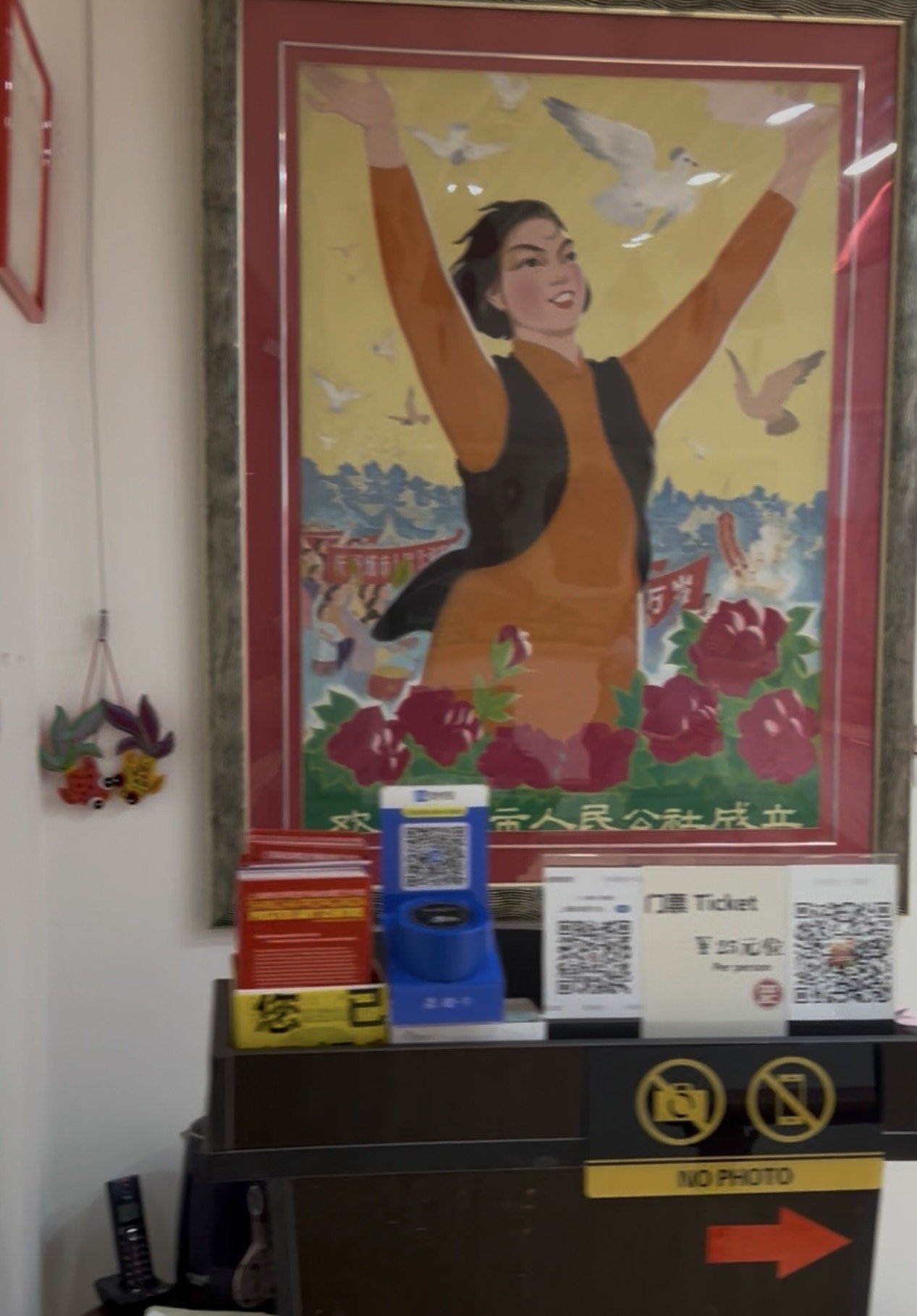
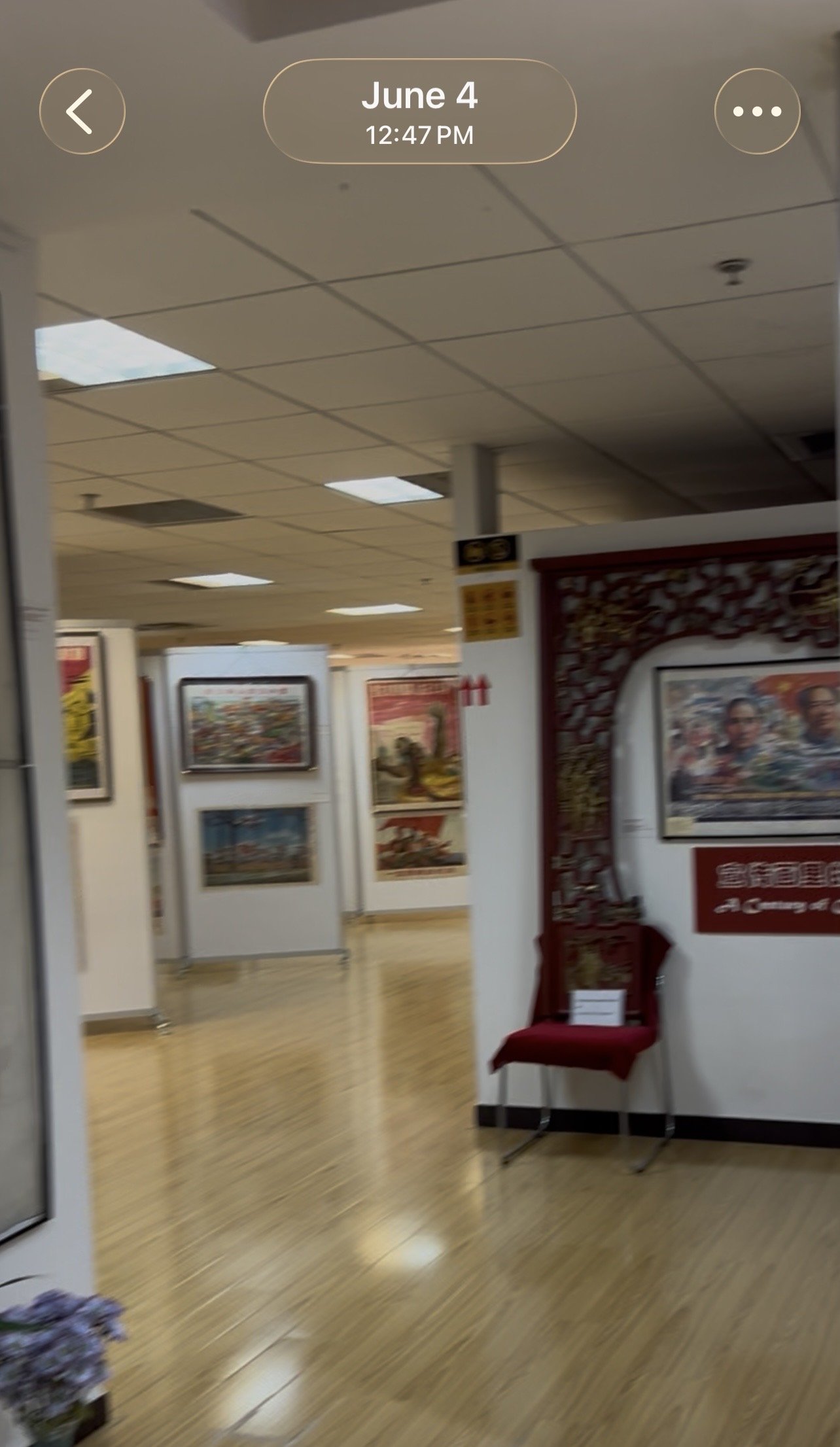
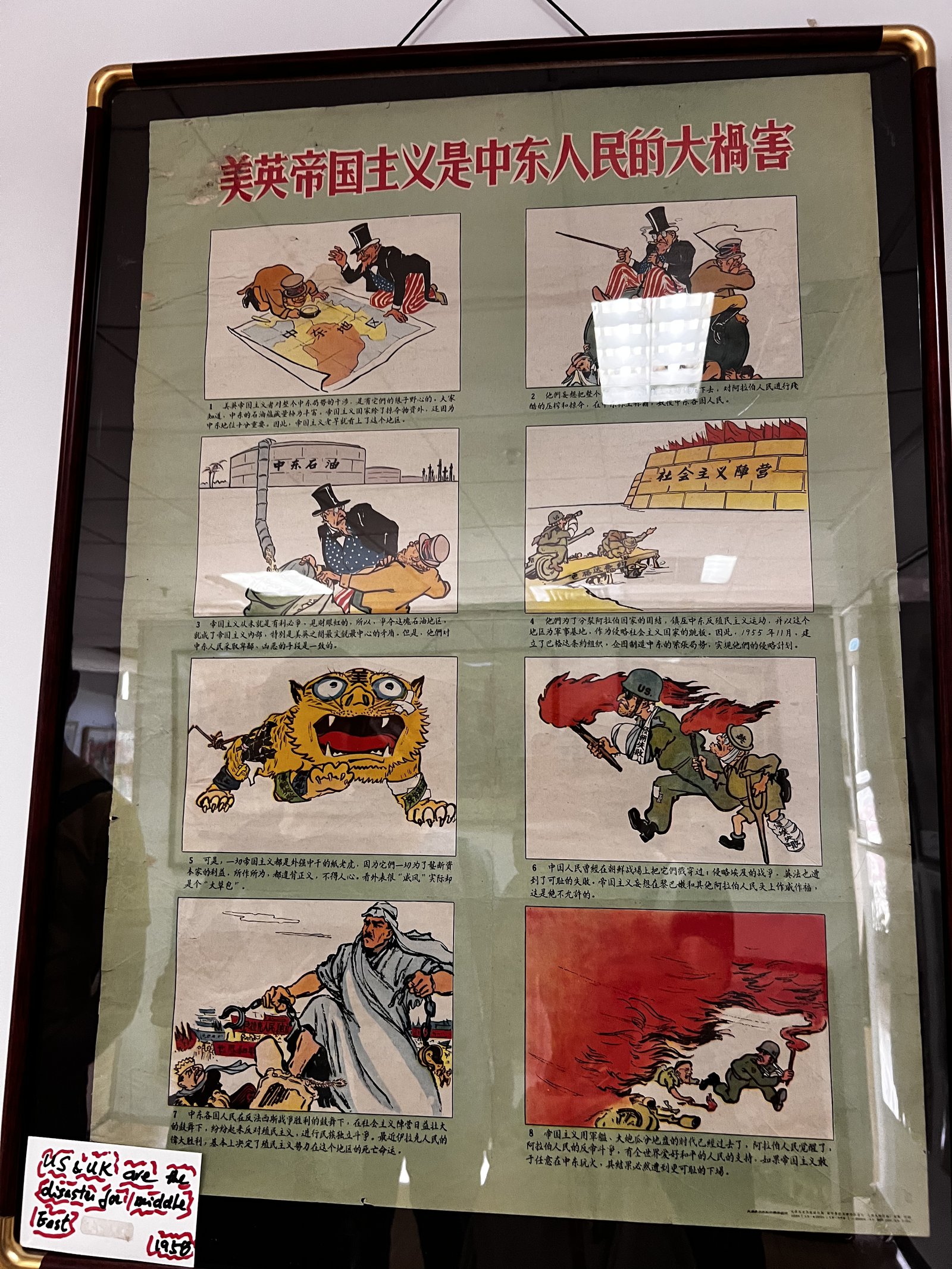
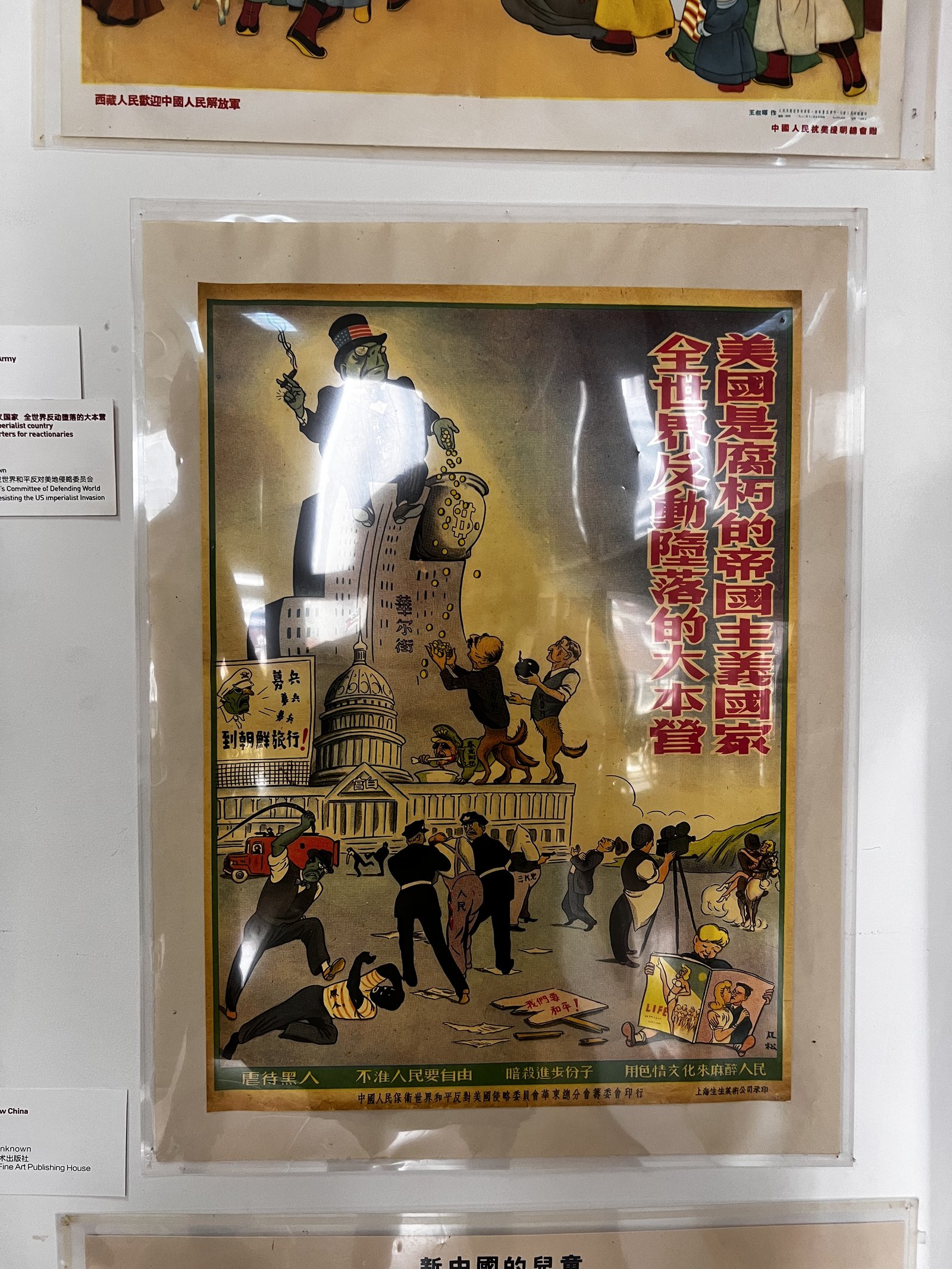
The posters were colorful and bursting with socialist energy. What's interesting is how much of these are still relevant today. Like one from 1958, "American-British imperialism is a Great Scourge for the Middle Eastern People" because the imperialists coveted Middle Eastern oil, the poster explained. There was another one entitled "America is a corrupt imperialist country, the base of counterrevolution and degeneration." The bottom caption read: "abuse Blacks," "prevent the people from wanting freedom," "assassinate progressives," and "use pornography to anesthetize the people." It's a good reminder that no matter how intense U.S.-China relations might appear presently, they have been much worse. Let's hope there will always be enough commercial incentives to keep things from falling back to the bad old days.
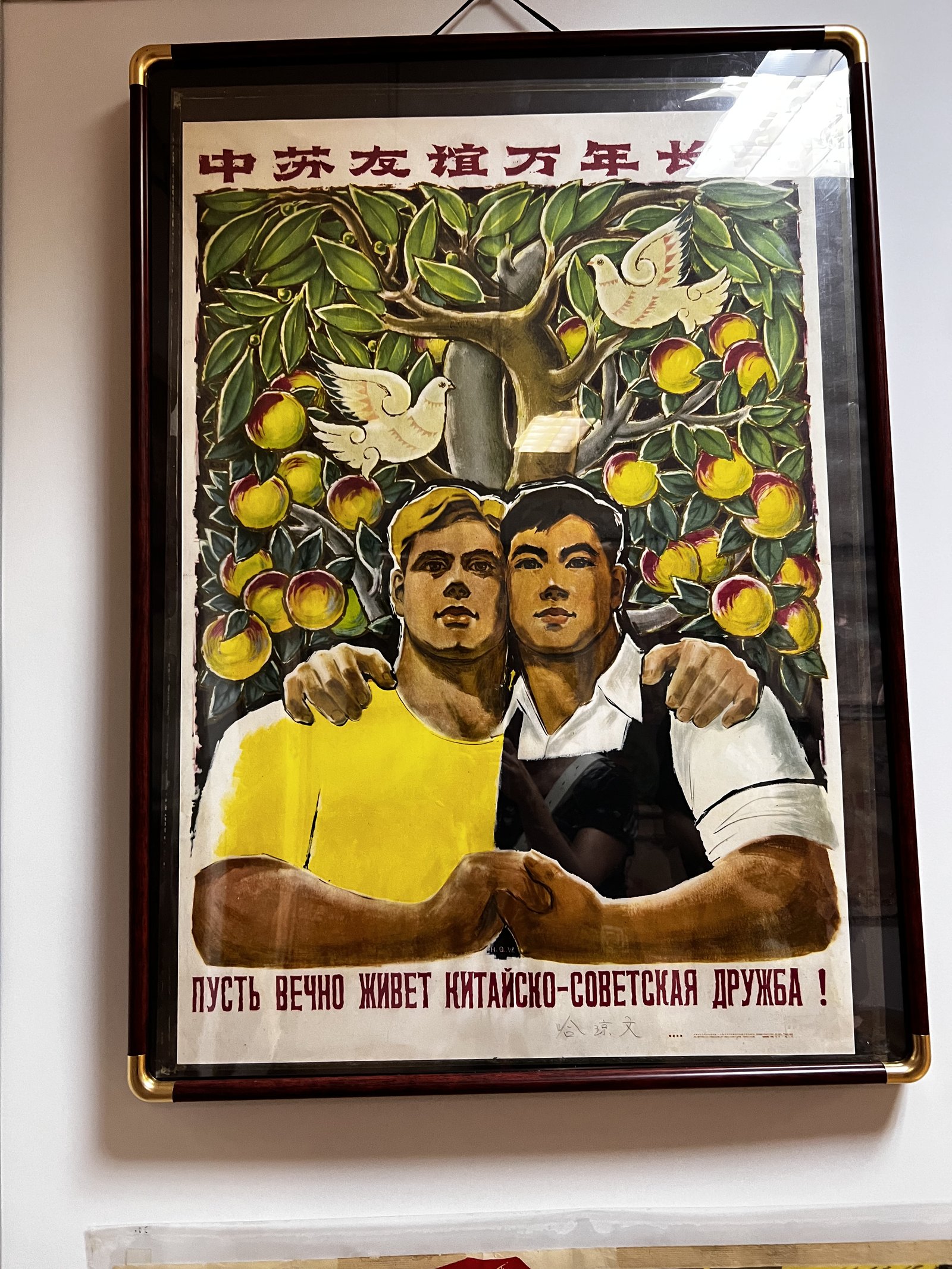
We met Mr. Yang in the gift shop, where he was eating noodles for lunch. After receiving his foreign language degree, he had worked for various tour companies' foreign visitors division before retirement. On one such tour in the 80s, he had met Elizabeth Taylor. He showed us a photo as proof.
The propaganda posters peaked during the Cultural Revolution. They used to be created by some of the best artists and are of great artistic quality, Mr. Yang told us. Back in the 90s, he noticed that government agencies were getting rid of their posters, so he started collecting. He still has some of the original ones for sale, priced at a few hundred dollars a piece.
It felt like we were in the setup of a joke: an American family went to a Chinese propaganda museum, read anti-American posters from almost seven decades ago, and bought T-shirts and postcards. There's no punchline, but something felt like kismet: had it not been for one man's foresight, none of this would have happened. These mementos of a bygone era survived because he decided they were worth keeping. As an author of a book about memories, I felt a kinship with Mr. Yang—we were both memory keepers.
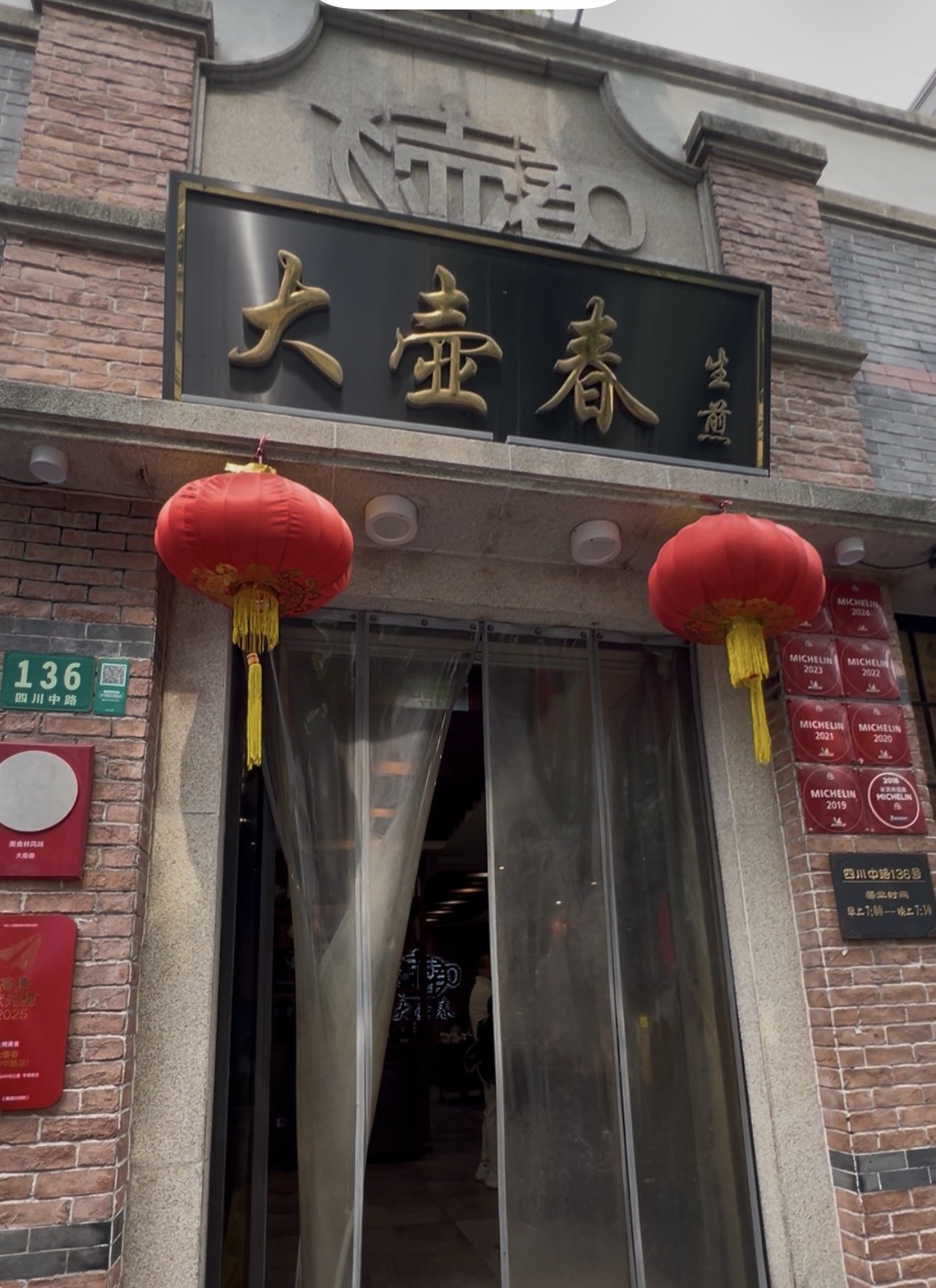
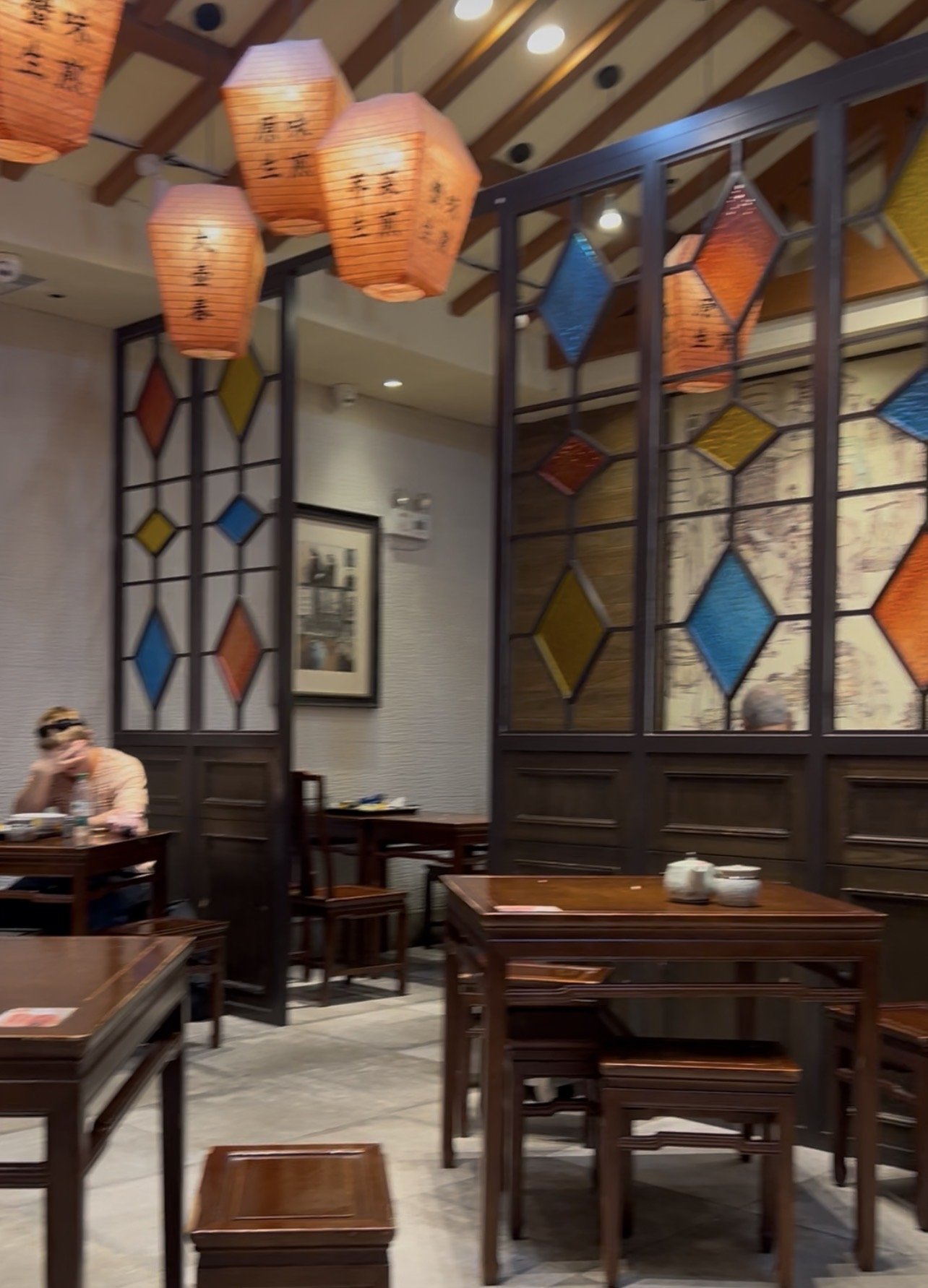
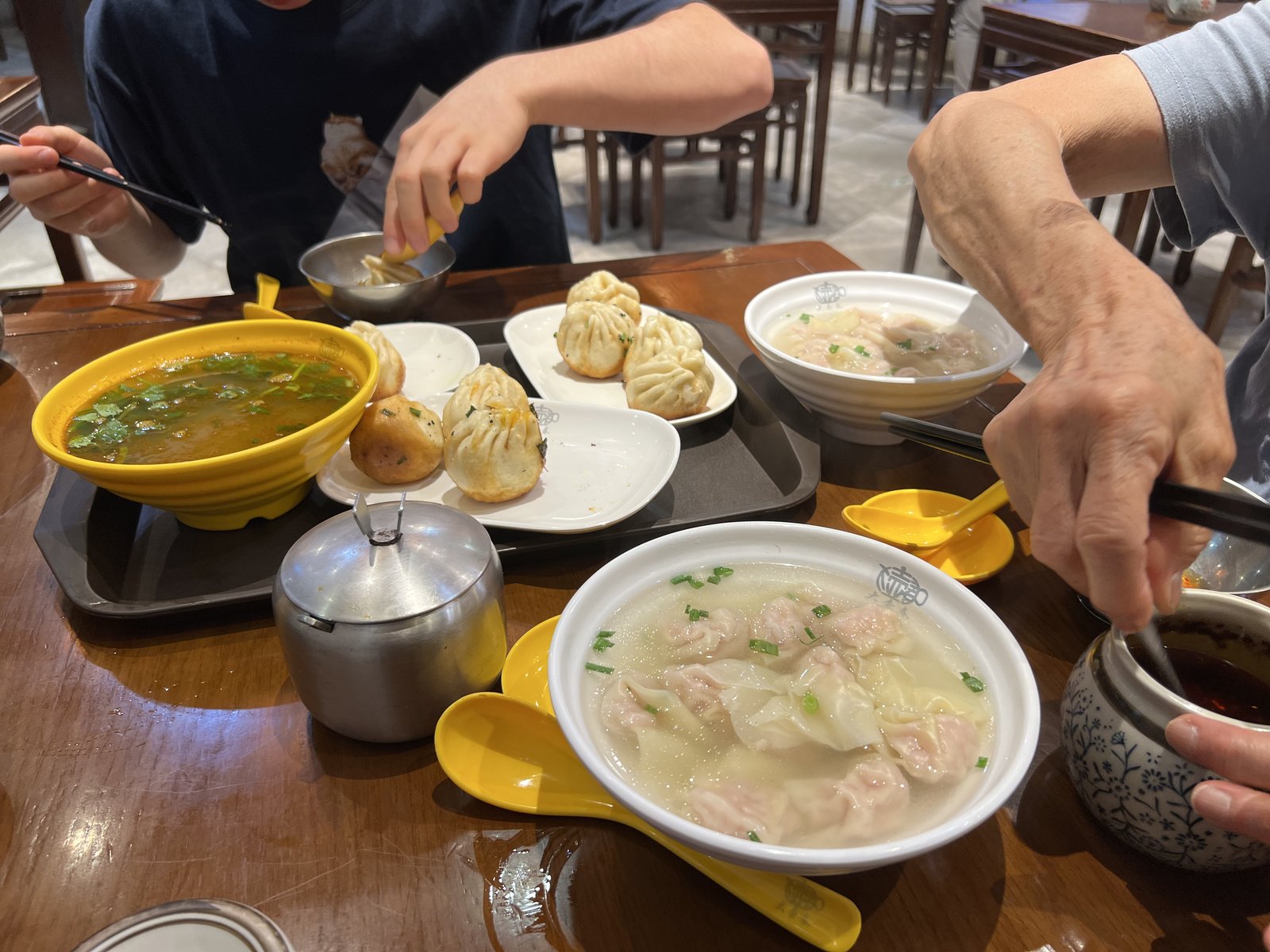
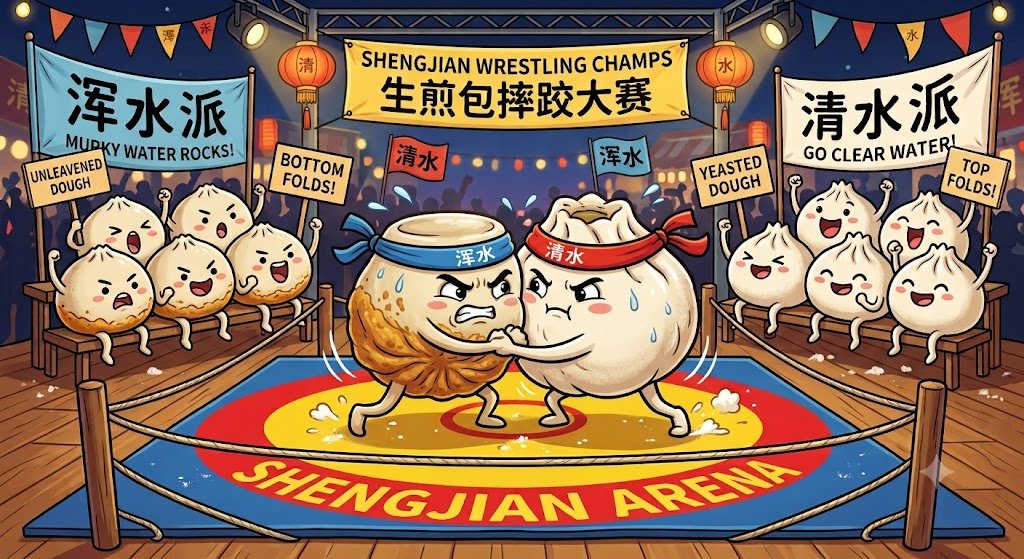
Lunch was at Dahuchun on Sichuan Middle Road, famous for its 生煎包 (shengjianbao, pan-fried dumplings). The restaurant represents the local 清水派 (clear water school) of dumplings, which are characterized by yeasted dough, opening on the top, and no added soup in the filling. There's also the 浑水派 (murky water school) hailing from Yangzhou, which basically does the opposite. Don't you just love the idea that there are schools of dumplings? If there's ever a face-off I'd like to be on the judging panel. For now, we were all content with the shengjianbao in front of us, which had savory pork fillings and crunchy fried dough soaked in fatty meat juice. A group of young North American men at the next table marveled at how cheap and delicious everything was (a set meal of four buns and a bowl of soup was about $3). Personally, I thought the dumpling quality had deteriorated compared with my last visit a couple of years ago, but that's the way of the world and underscores the importance of getting there before the good stuff is gone.
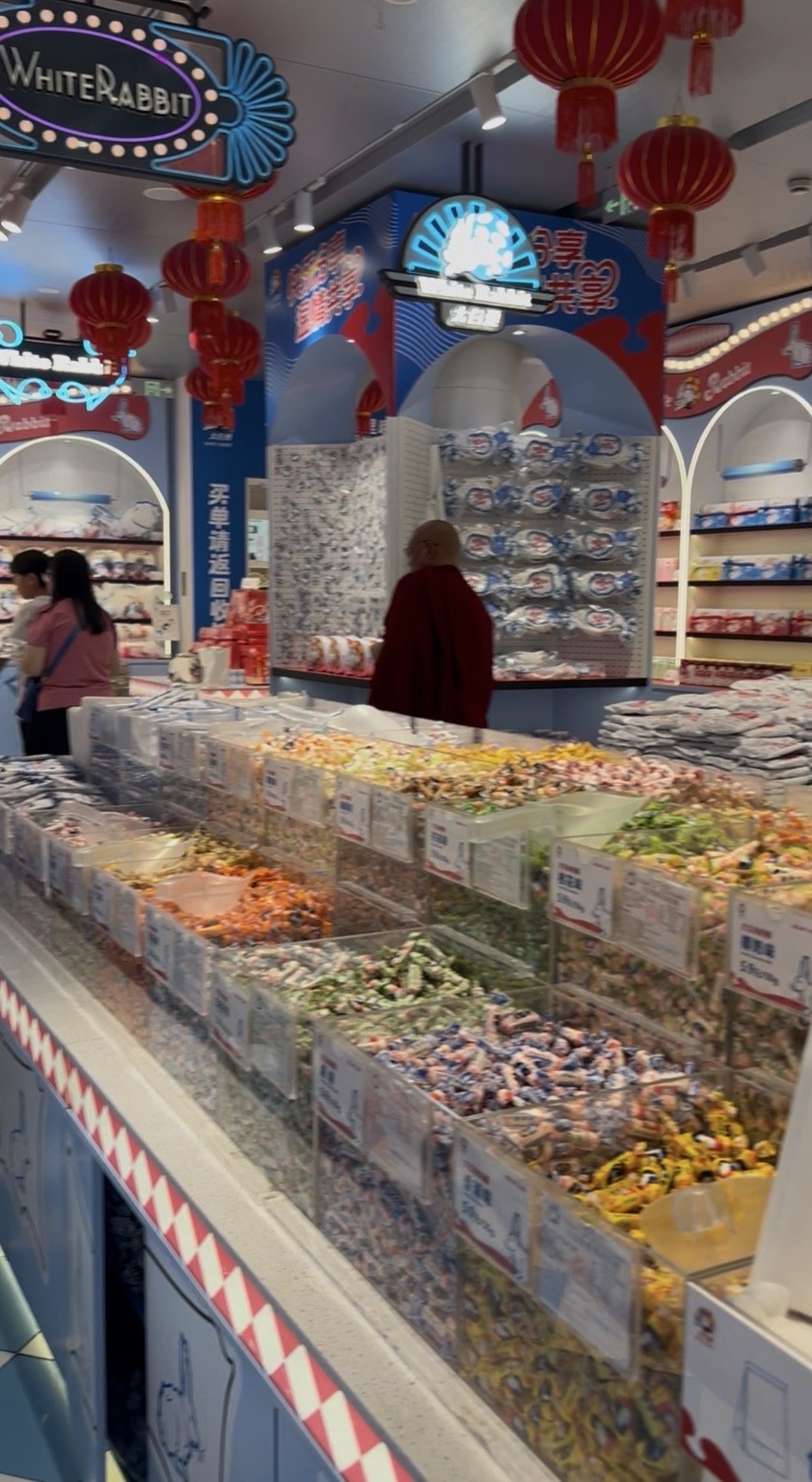
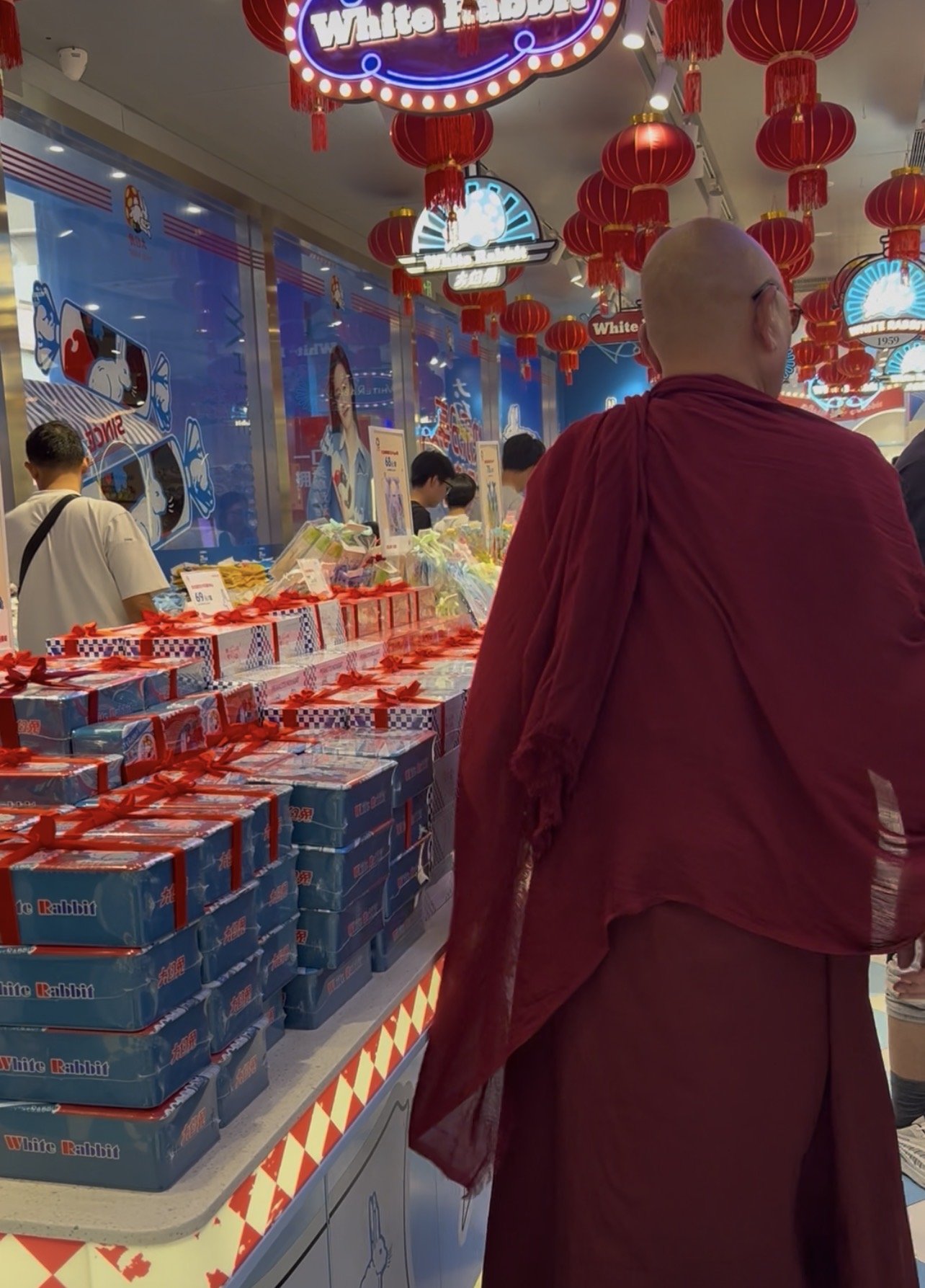
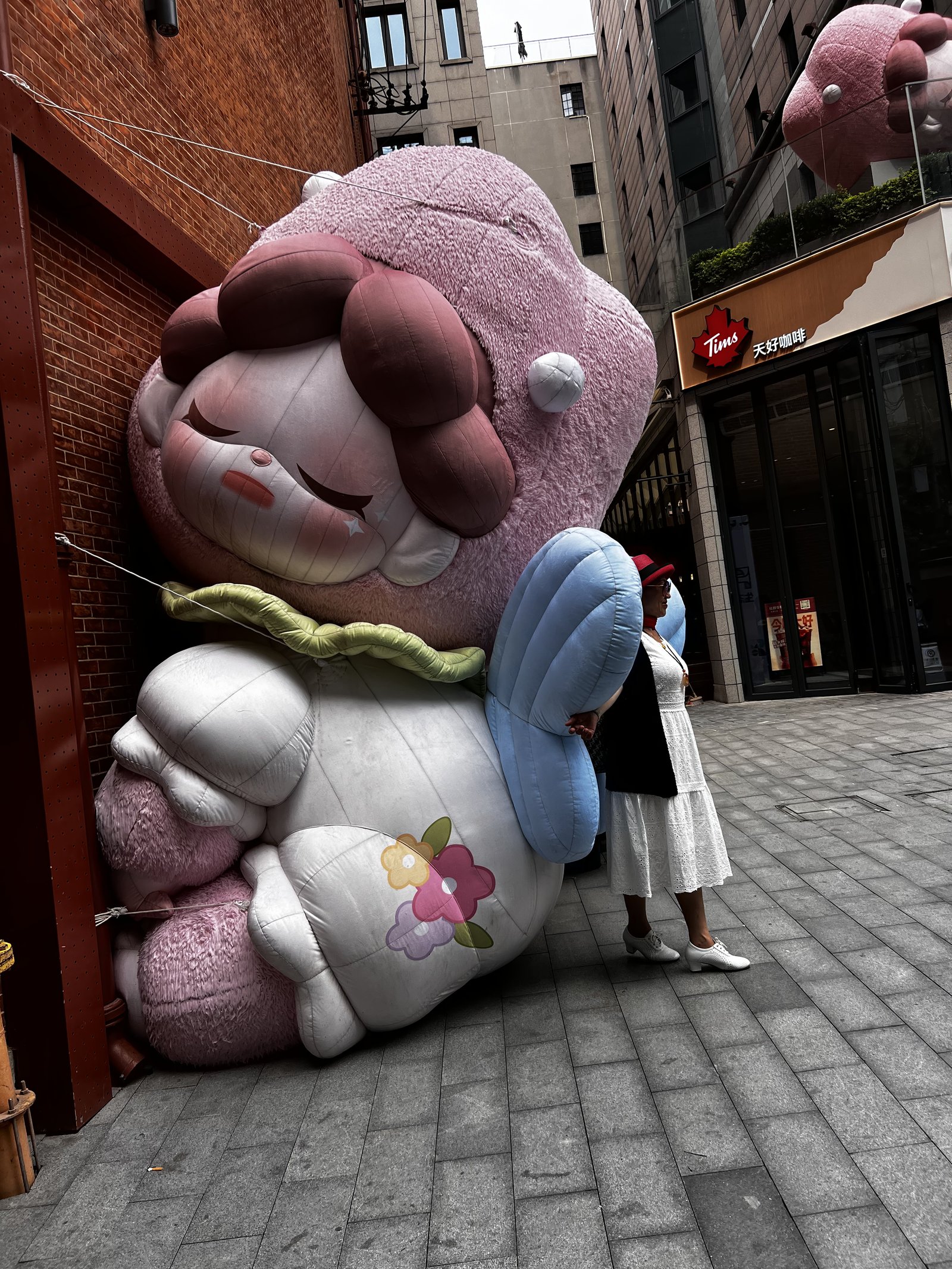
We wandered about after lunch, finding various photogenic spots on the streets. Got dessert at the White Rabbit candy store on Nanjing East Road. White Rabbit is perhaps the most well-known candy in China. At this flagship store you can find all kinds of new flavors such as corn, osmanthus, durian, and wasabi. My favorite will always be the original flavor, the candy of my childhood.
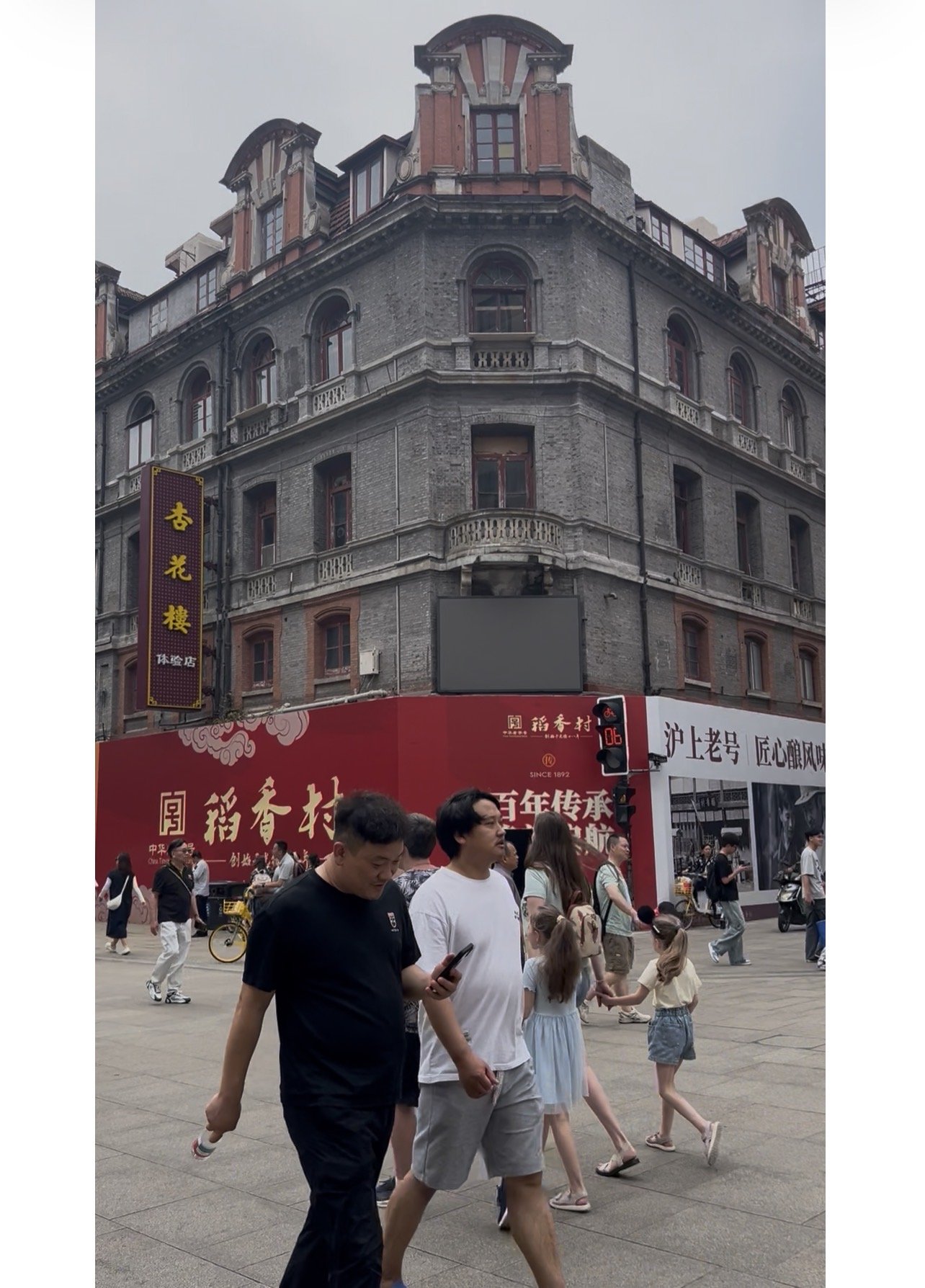
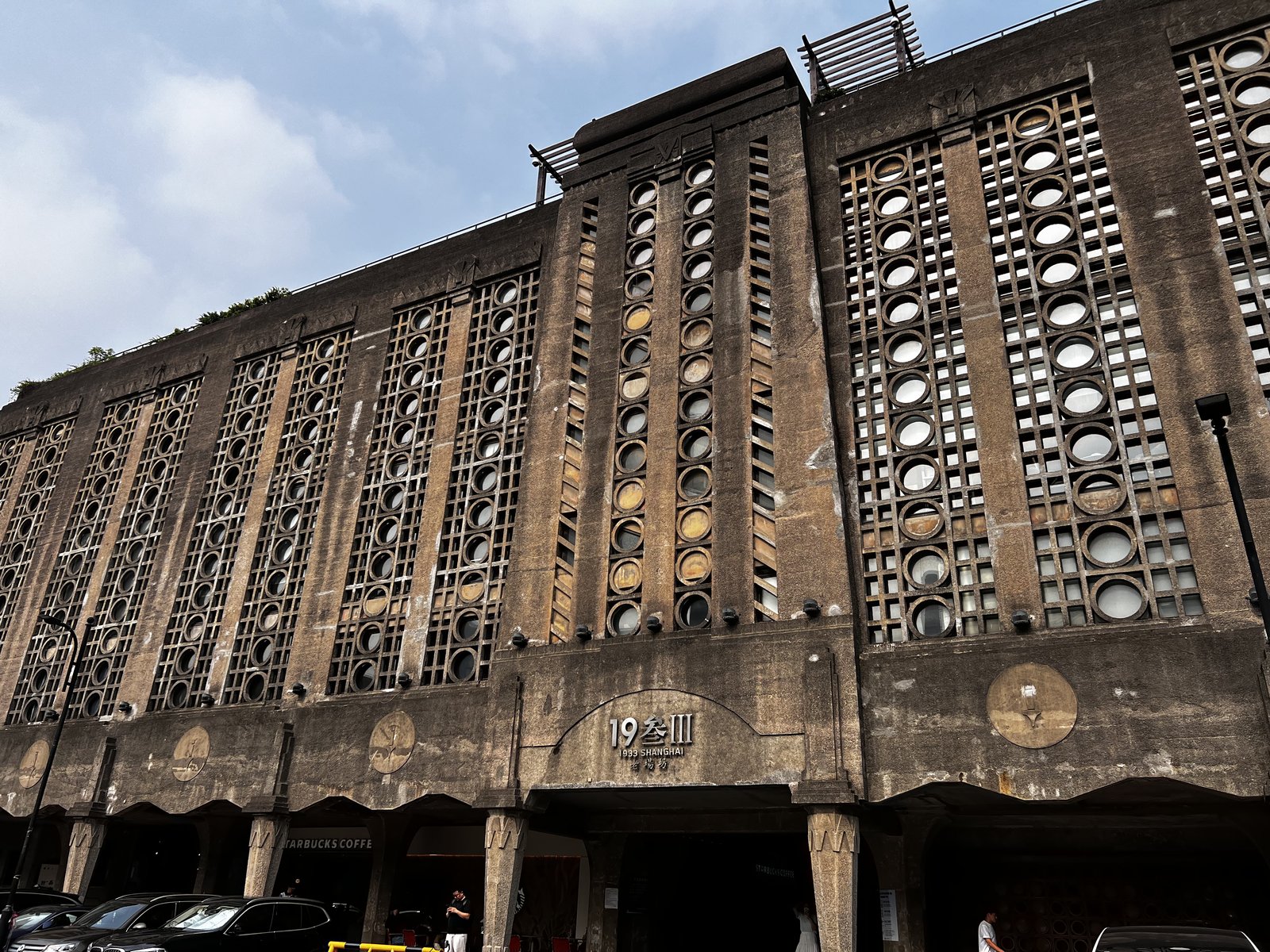
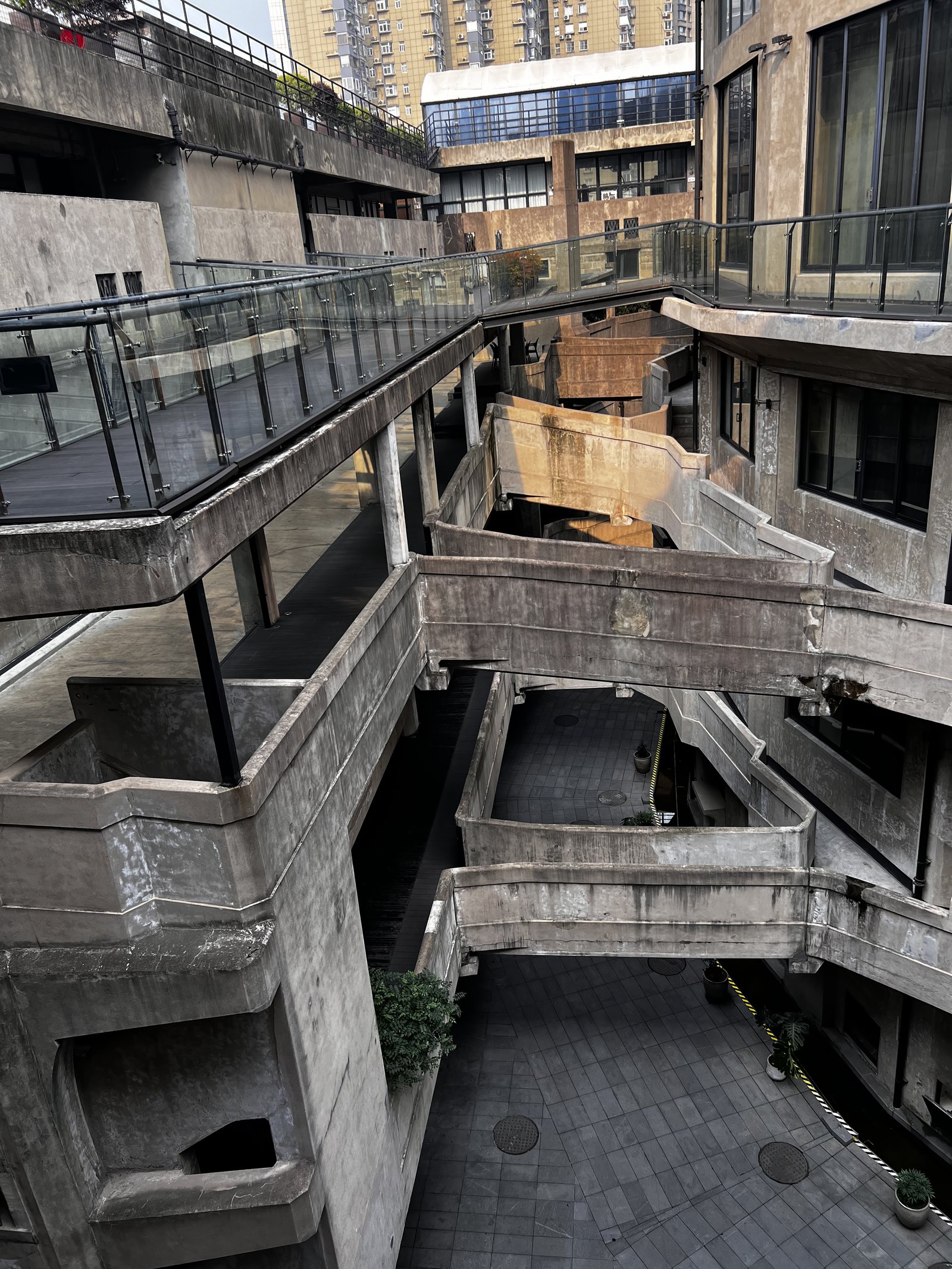
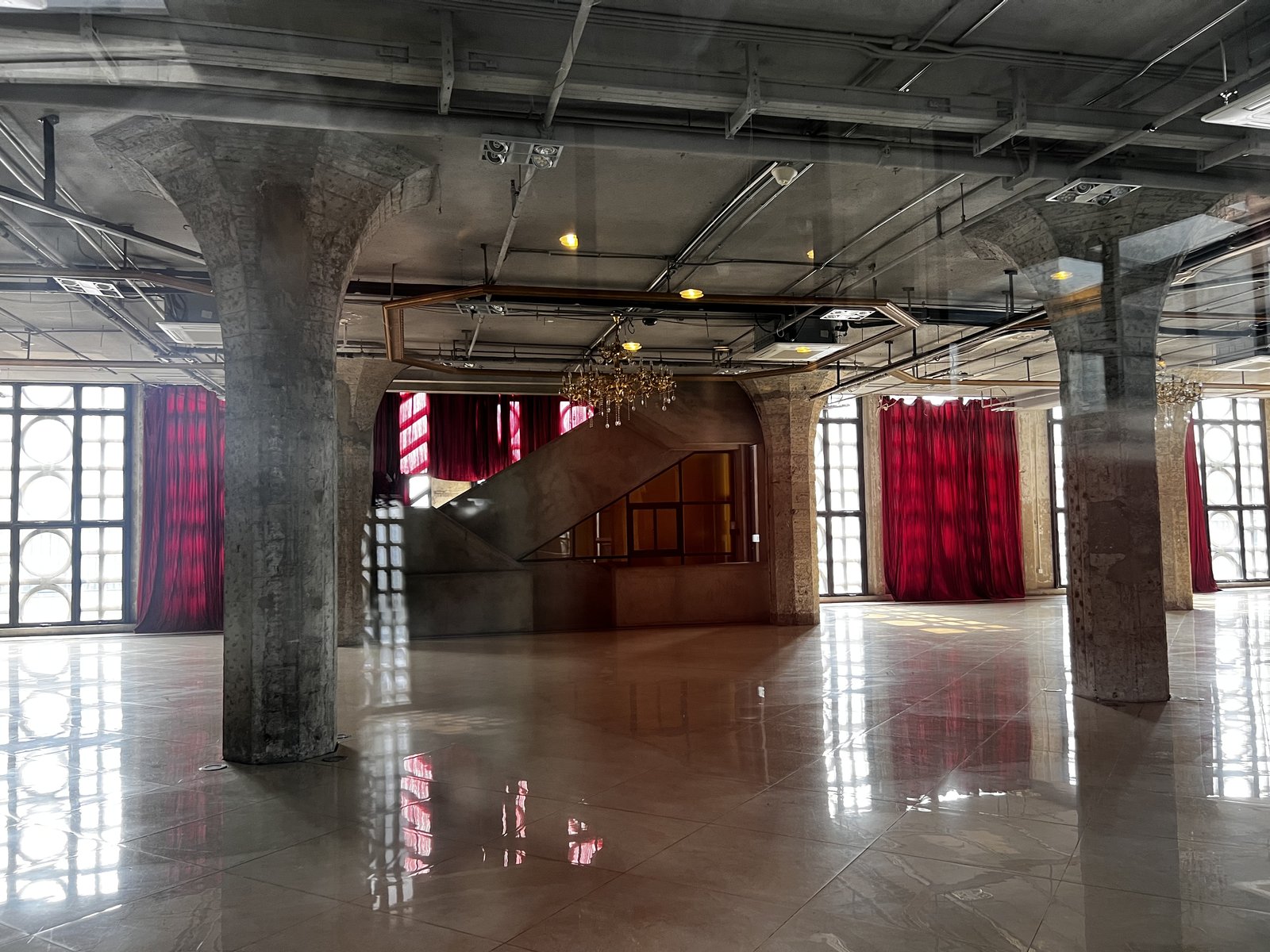
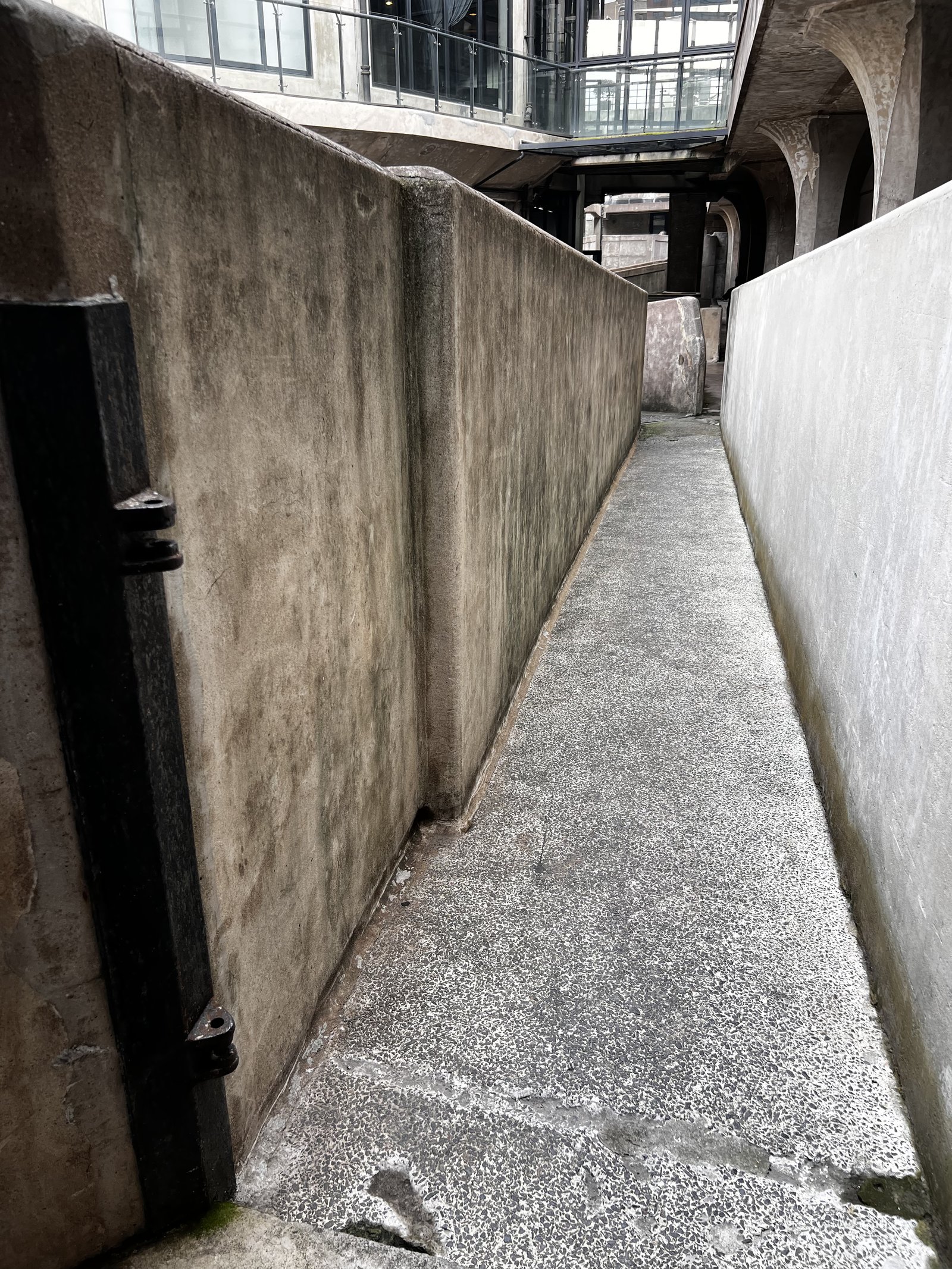
Our destination was 1933 Old Millfun. Designed by the British architect Balfours and constructed by Yu Hong Construction Firm in 1933, the building was once the largest slaughterhouse in the Far East. Today it's a landmark, with a few shops scattered about. The architecture is brutalist and striking. I don't think I would ever be in another building with both a cattle walk AND a ballroom. There are too many photos to post here, but I'll do more on Facebook/Instagram in the coming days.
We ended our day with a leisurely walk along Suzhou River, and saw some impressive animal sculptures made out of plants. All in all it was a fun, uneventful June 4th.
So what? Keen China observers and readers of If You Don't Go will know the significance of this date. Here in Shanghai, however, we saw no outward signs of remembrance WHATSOEVER. In contrast, when I was in Nanjing last year, I heard all the sirens and car horns in the city going off at 10:01 am on December 13—it was the Nanjing Massacre Memorial Day. The point isn't about which massacre had more deaths (neither had an exact body count); it's that the Chinese government will make its citizens remember what it wants them to. Even the WeChat groups I'm in, including the ones by overseas Chinese, have stayed eerily quiet on this topic these past few years. Before the censors really cracked down during Covid, some would at least send candle emojis on this date.
Without recall, memories evaporate.
Lastly, a book recommendation: Breakneck by Dan Wang, a China-born Canadian analyst and writer. Wang's thesis is that China is an engineering state run by engineers, and the U.S. is a lawyer state run by lawyers. As a former engineer and lawyer myself, I thought his view was astute. Through that lens, the book explains many events and phenomena, such as how the one-child policy was engineered. It also touches on many of the same subjects as my novel (e.g., China's Covid policies, censorship, even crypto), albeit through anecdotes and personal experiences rather than fiction.
He also publishes an annual newsletter, which is a lengthy but interesting read: danwang.co
Until next time,
Diana