Beijing, Beijing
Beijing, Beijing
"I am so envious of Trump," my neighbor texted me. "He is in Beijing!"
I had to agree, for spring in Beijing is a magical time. My neighbor told me he has always wanted to go to China but hasn't, and I totally understand what puts him off. There's the super long flight for starters—15.5 hours for a direct flight to Shanghai, longer to Beijing as there are no nonstops from here.
I, however, accept these long journeys. They are nothing compared to the first trip I ever did from Nanjing to Beijing, which took two full days. It was with my grandfather in the fall of my fourth grade year. For a kid who had never been outside of her hometown before, I knew from the moment we boarded the train that I was going to remember everything forever: the instant noodles, broken into pieces and soaked in hot water in big enamel mugs; the stands of trees whipping past the window; the interminable chugging of the train. Somehow I don't remember feeling tired after getting there. There was just too much excitement in meeting the cousins I'd only heard about, and trying the fried chive pancakes my aunt and uncle made for dinner. There were also frozen pears, a local delicacy, so the temperature must've dropped already. Grandpa and I had brought two straw sacks of live crabs as presents—they were hard to come by in the north at that time. When we dumped them in the bathtub, the crabs made a pyramid and some managed to escape. I tried Coca-Cola for the first time, drinking it too fast and experiencing an odd new sensation of bubbles shooting up my nose.
The trip was to visit my grandpa's brother, who lived in Hong Kong and lost touch with the family for years due to the Cultural Revolution. They were so happy to be reunited that they were always hugging each other, something I had never seen my grandpa do before. Together, we visited the Ming Tombs, saw Mao's body inside the crystal coffin at his mausoleum, and of course, climbed the Great Wall. There was a photo of me riding a camel next to the Great Wall, which for a long time was kept under the glass on top of a bureau (that was how we displayed photos—no frames). We shopped for gifts at the "Foreign Currency Shops" using granduncle's Hong Kong money, and ate Peking Duck at Quan Ju De, the most famous duck restaurant in the city, where guests painted their names on the ducks using malted syrup before the birds went into the roaster.
I've been to Beijing several times since. Nowadays, the high speed rail from Nanjing to Beijing is less than three and a half hours, or you can take an overnight sleeper train for about nine hours, which saves both day time and a night of hotel cost. Flights are less than two hours. There's even a special term for taking a day trip by plane: 打个飞的 (dagefeidi, taking an air taxi).
We took our son on his first trip to Beijing last year, staying at a boutique hotel that was converted from a 四合院 (siheyuan), a courtyard house in the historic 胡同 (hutong) district full of narrow alleyways. These historic houses, mostly built in the Qing dynasty, can fetch tens of millions of dollars on the rare occasion when one goes on sale. XinXiangYaYuan Courtyard was a magical place with lots of domesticated life: birds, katydids, and kois.
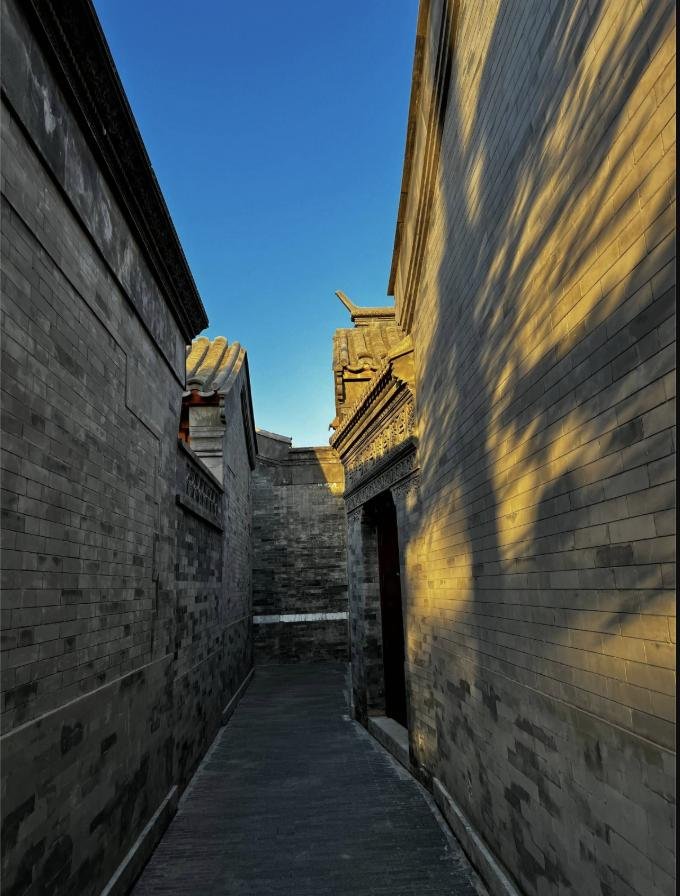
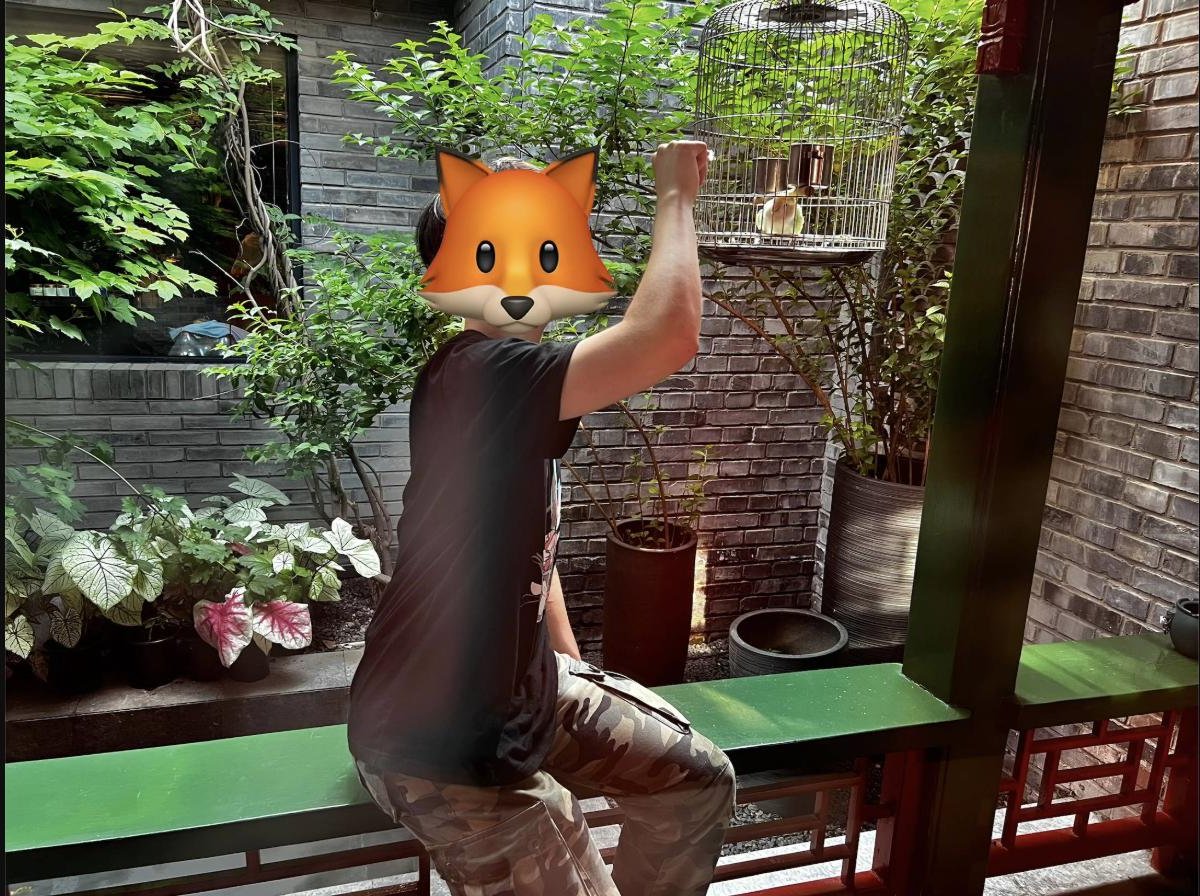
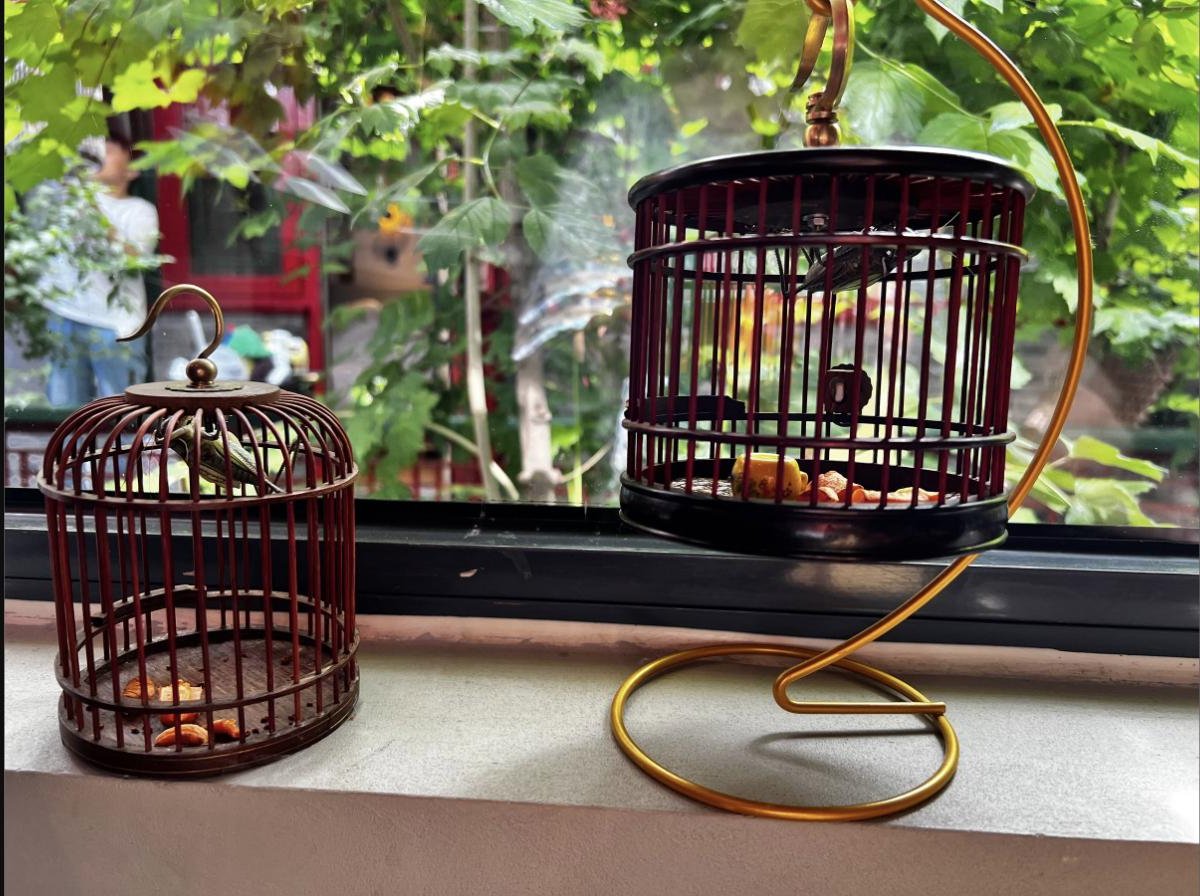
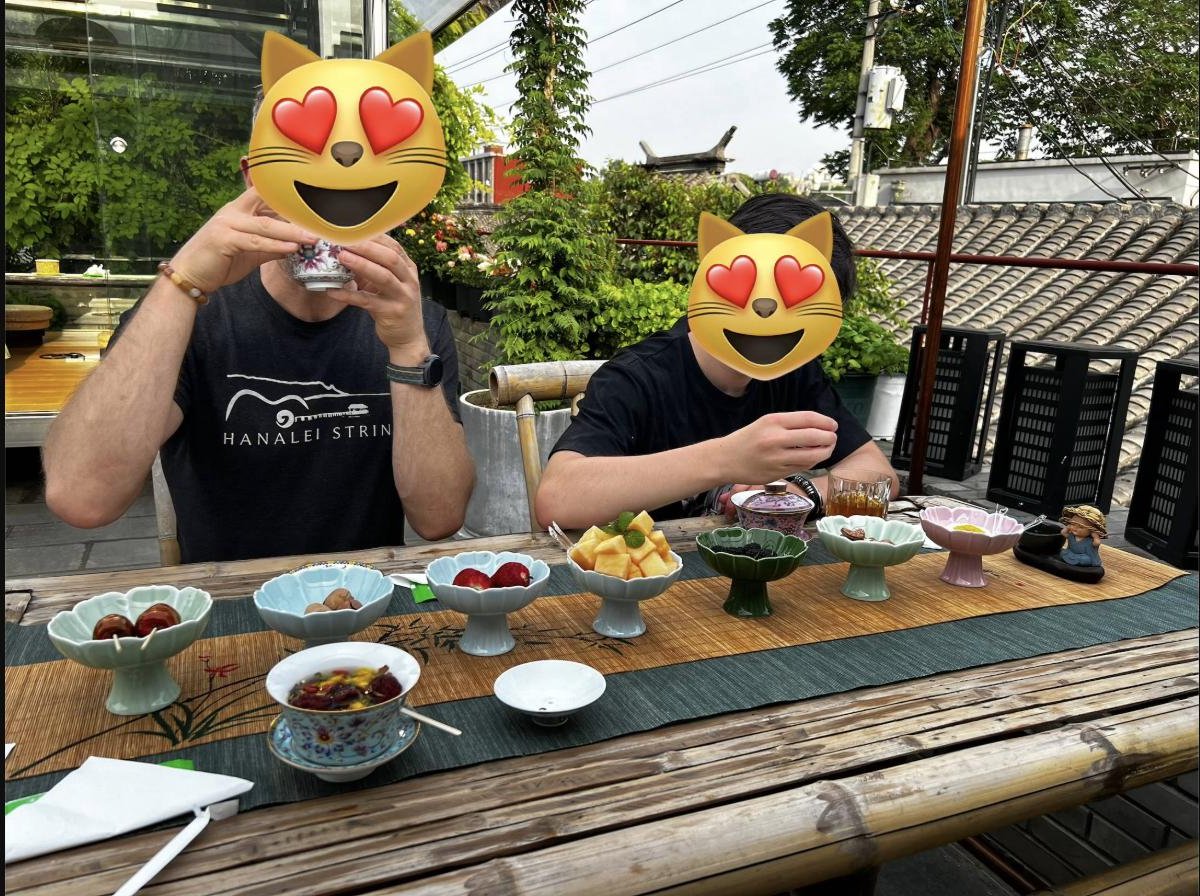
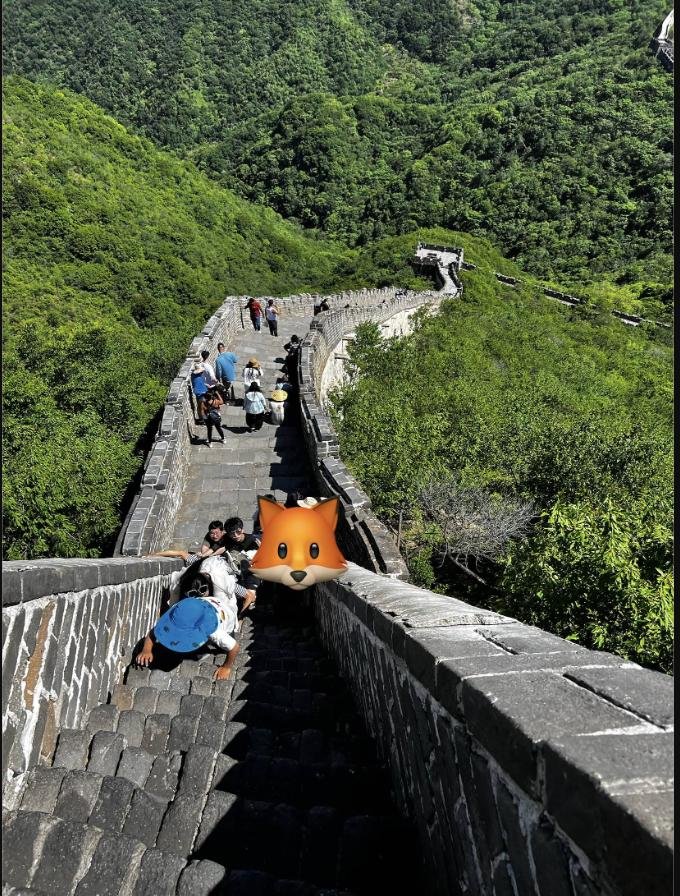
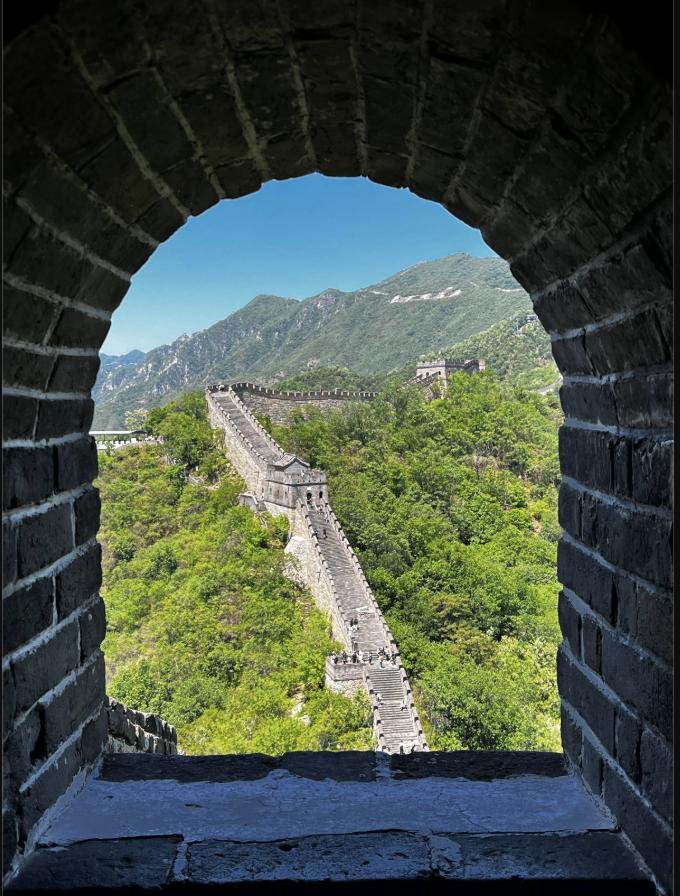
From there we were able to explore the city and its surroundings—there are several different Great Wall sites; we went to one I hadn't gone before called 慕田峪 (mutianyu).
One of my favorite parks in Beijing is 圆明园 (yuanmingyuan), the Old Summer Palace. During the Second Opium War, the French and British armies captured Beijing and the Emperor fled. Yuanmingyuan was looted then burned by the foreign troops and its stone and marble structures crumpled.
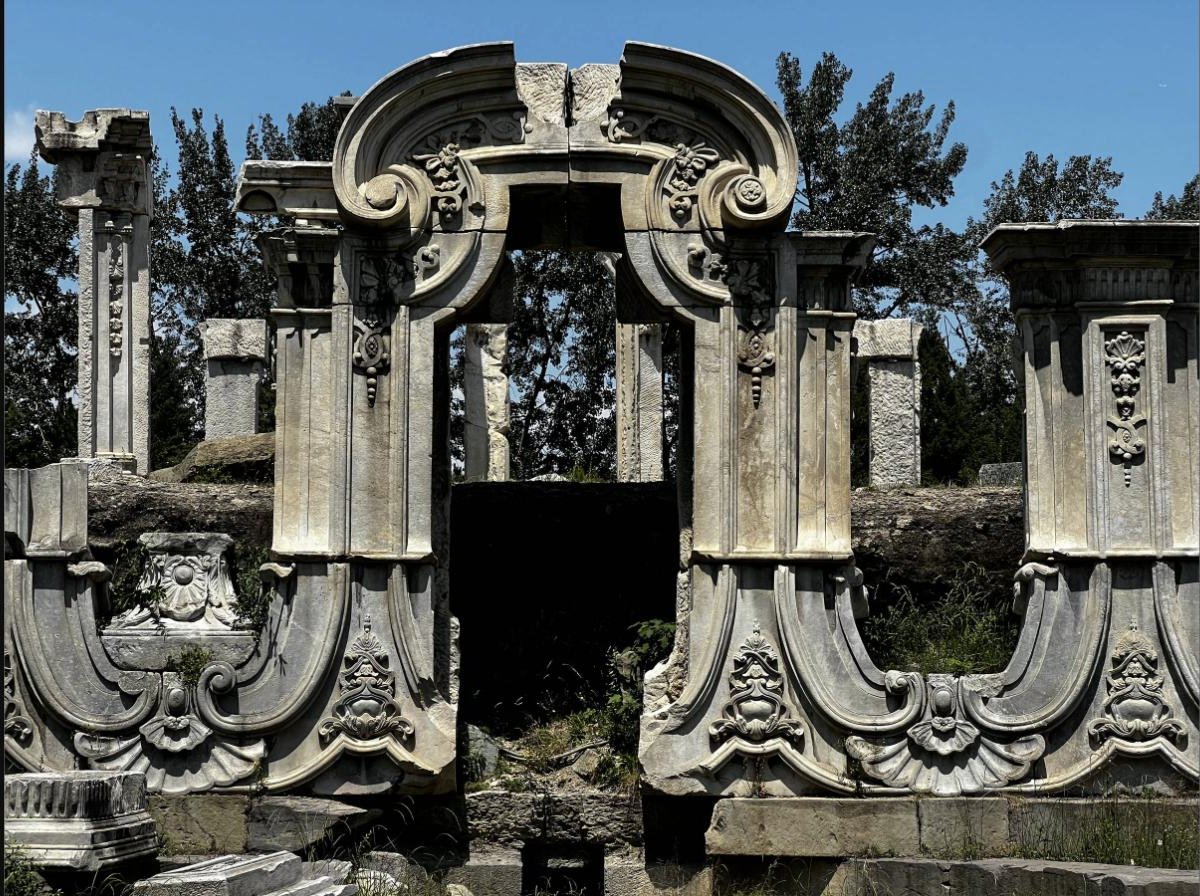
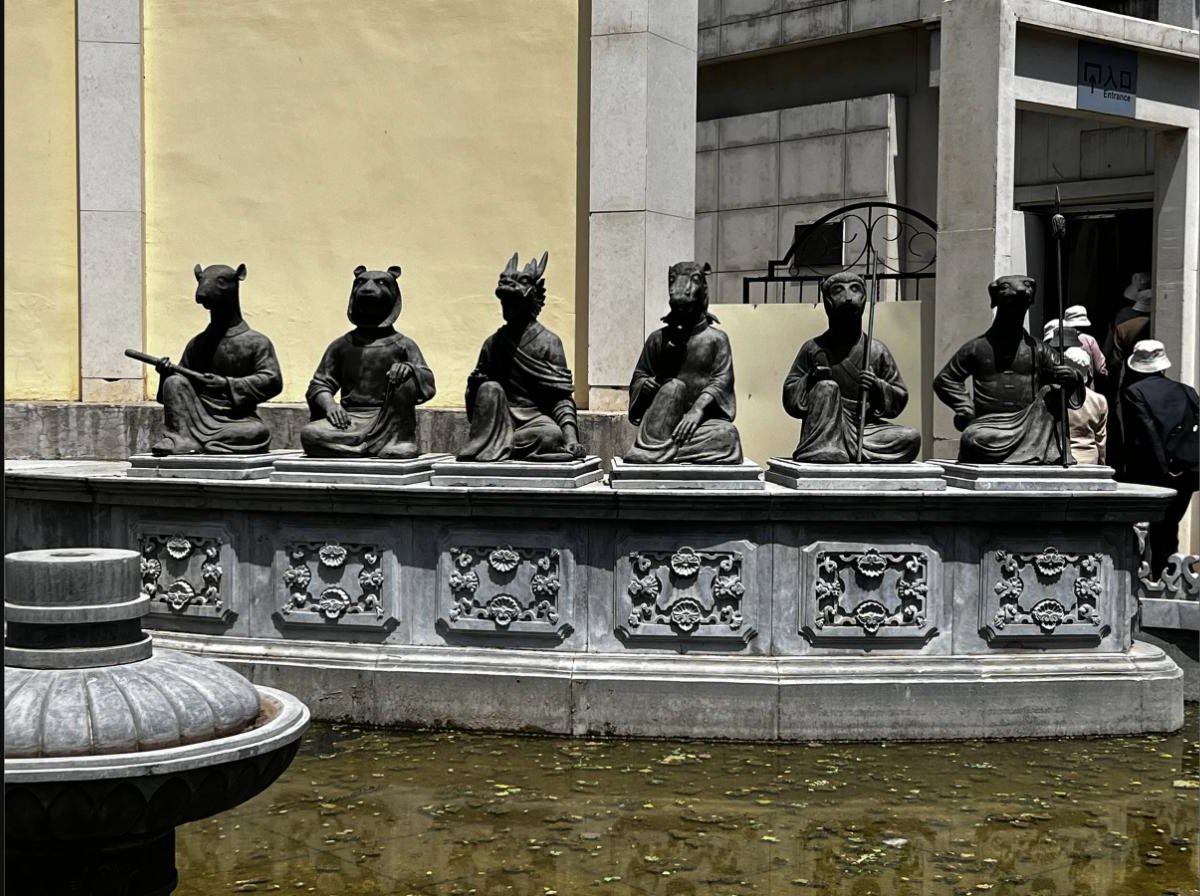
While strolling through the tragic, dilapidated grounds reminiscent of Greco Roman ruins, I came upon a plaque with writing by Victor Hugo. The story goes that one Captain Butler, who took part in the looting, wrote to Victor Hugo, in the hopes of receiving tribute to the French military success. The author wrote back in an open letter, mincing no words:
"There was, in a corner of the world, a wonder of the world; this wonder was called the Summer Palace. … People spoke of the Parthenon in Greece, the pyramids in Egypt, the Coliseum in Rome, Notre-Dame in Paris, the Summer Palace in the Orient. … This wonder has disappeared. … One day two bandits entered the Summer Palace. One plundered, the other burned. … One of the two victors filled his pockets; when the other saw this he filled his coffers. And back they came to Europe, arm in arm, laughing away. Such is the story of the two bandits. We Europeans are the civilized ones, and for us the Chinese are the barbarians. This is what civilization has done to barbarism. Before history, one of the two bandits will be called France; the other will be called England."
The letter ended with: "I hope that a day will come when France, delivered and cleansed, will return this booty to despoiled China."
Well, the day has come. On May 7, the French government unanimously passed a law to streamline the return of looted cultural objects taken during the colonial period. Let's hope the Yuanmingyuan relics will be repatriated soon.
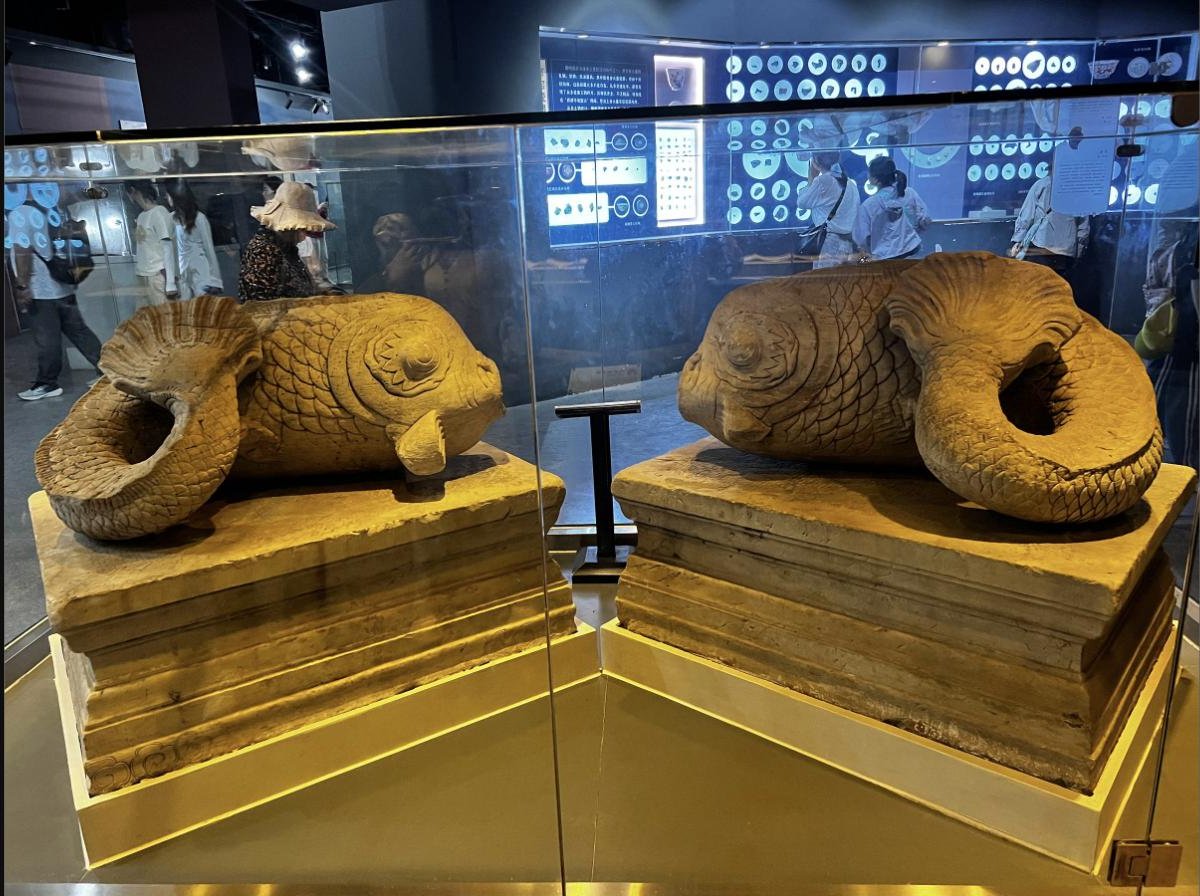
This lovely pair of stone fish fountains were my favorite at the park museum. They were stolen by locals post fire—as one can imagine, there were always those taking advantage of a chaotic situation. Years later a museum director spotted them through the cracked door of a courtyard house in the neighborhood. The museum eventually recovered them.
Another major tourist stop is the Mao Zedong Mausoleum (Maosoleum?). Photography is forbidden so you have to rely on the internet for any images. I remember seeing the body from a gallery high above ground on my first trip. These days you can get really close to the body, at eye level. The head still looked pretty good (for a head born the day after Christmas in 1893), but the body seemed shrunken—it has shortened over time. One hates to imagine what lies beneath that Mao suit.
We rode shared bikes through the city and through Tiananmen Square.
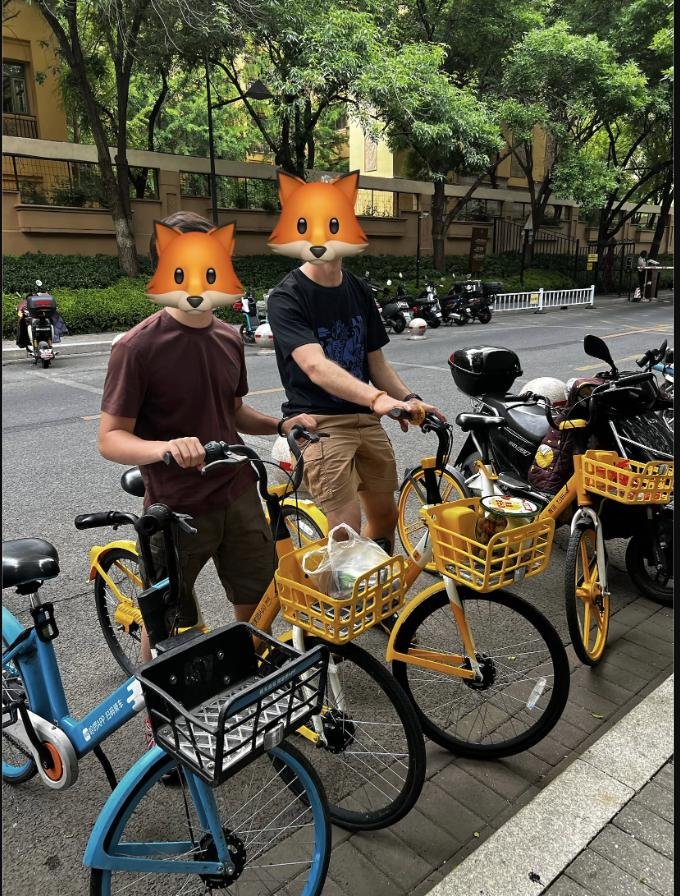
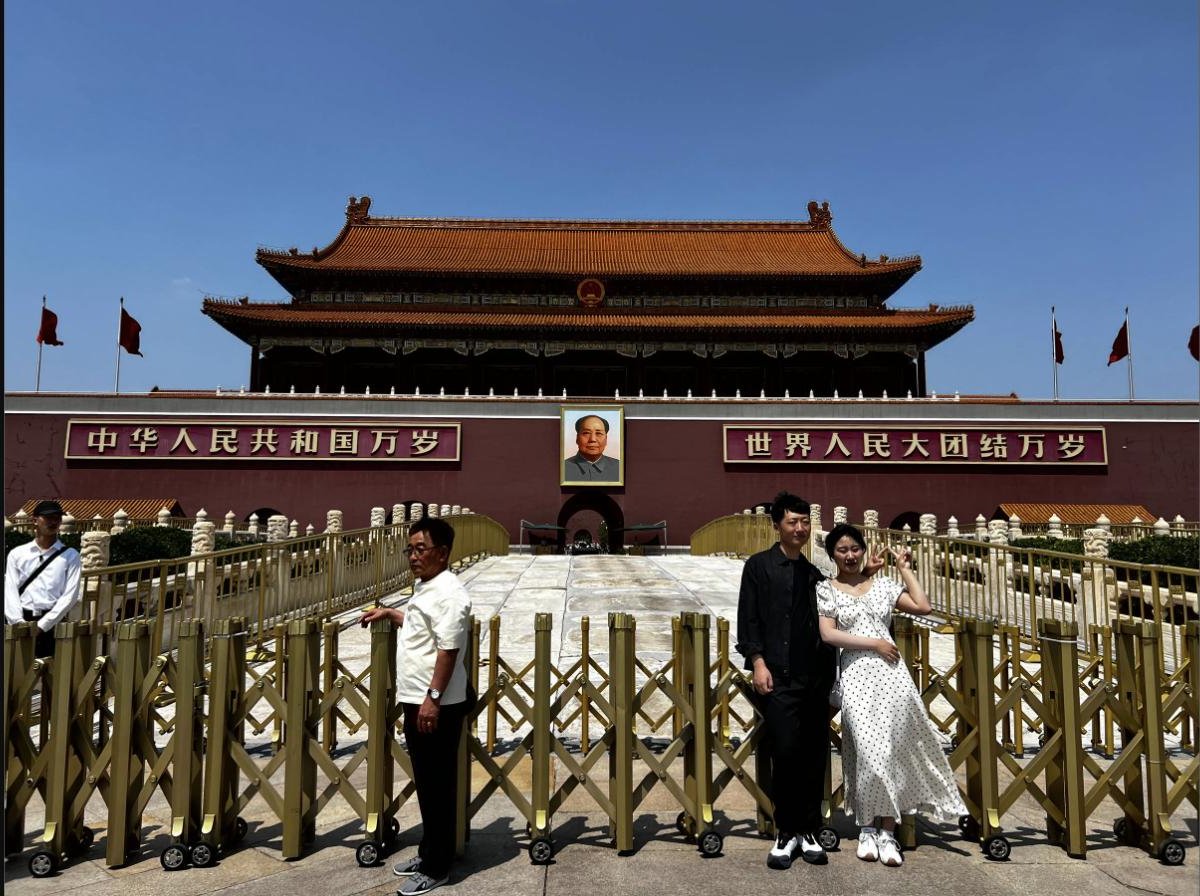
It's a highly restricted area now and while we could take a quick photo, we weren't allowed to linger. It is an intensely monitored and heavily guarded area chock full of tourists. Tickets for the daily flag raising and flag lowering ceremonies can be reserved online. Bring your passport if you want to bike around—we ended up getting ours checked by Chinese security guards a total of 11 times.
Of course one cannot talk about Tiananmen, especially around this time of the year, without thinking about the massacre that took place, in 1989. There are accounts of it in my novel, If You Don't Go. I wrote those parts based on my own recollections, online research, and the book The Tiananmen Papers, which is considered to contain the most definitive records of the event. It's based on a collection of official documents provided by a former high-ranking cadre of the Chinese Communist Party who went by the pseudonym of Zhang Liang, verified and translated by a number of respected China scholars.
The Tiananmen massacre, while traumatic and a stain on Chinese history, did bring in a new era of economic reforms and was, in an odd way, instrumental to what China has become today. Somehow I never really connected the dots until I attended a lecture by my Contracts professor, the beloved Bob Berring who was a China scholar in his own right. In Chapter 19 of my book, I recount Professor Berring's perspective through the character of Alice. The description of these events is also the reason why my novel cannot be published in China—it is one of the three major taboo political topics that start with T: Tiananmen, Tibet, and Taiwan. What do you think of incorporating the other two in the next books of my series and have a "banned in China series"?
I hope that in my lifetime I will be able to see real debates, discussions, and reconciliations of this and other events like it, but I'm not counting on it. The official history on China is typically written by the next dynasty. I think there's still much life left in this one as long as the economy holds.
I will be in China on the 37th anniversary of the massacre and I shall report back if I notice any signs of remembrance by the locals.
To end the newsletter on a more upbeat note, Trump's visit to China had preempted another newsletter I was planning to write on mahjong. There's been a lot of memes going around; the second one is my contribution to AI slop.
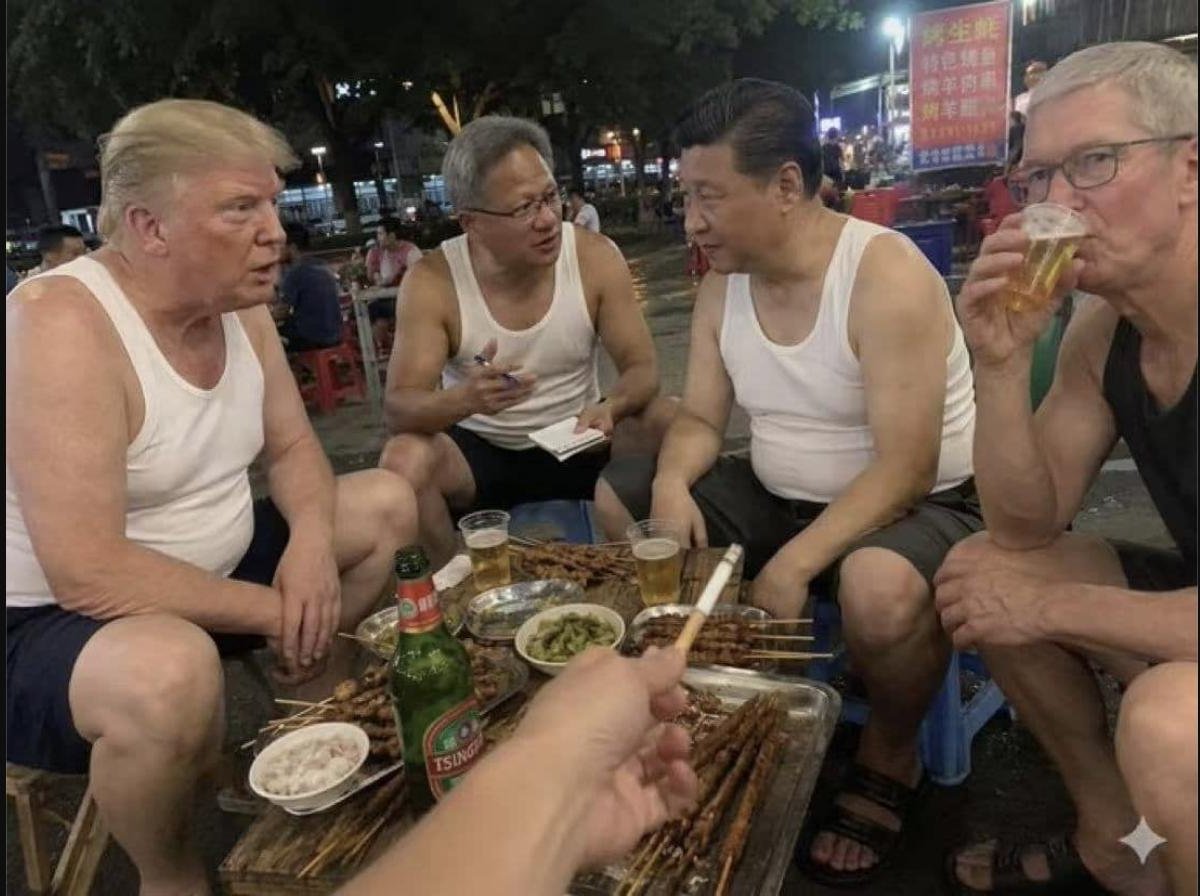
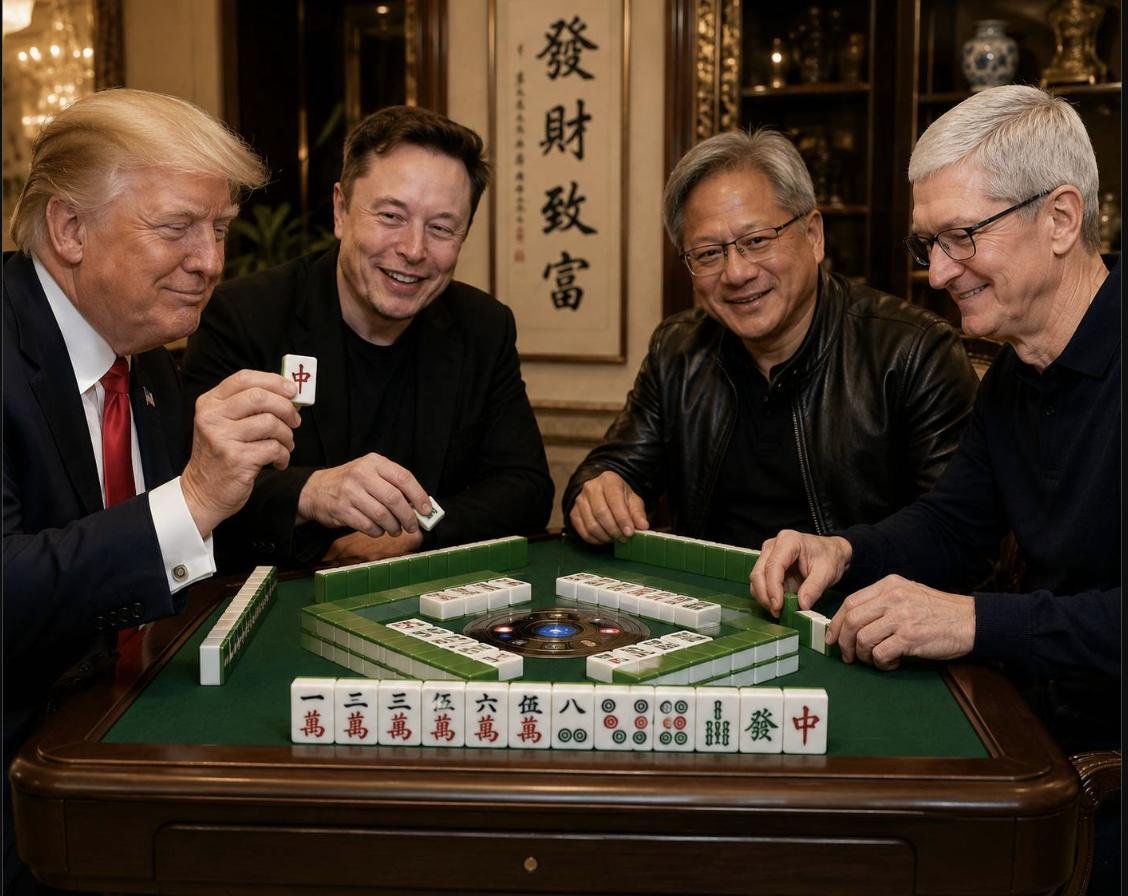
But, this newsletter is always written by a human. This time it's also edited by the human's son. We appreciate your reading and supporting long-form written content!
Until next time,
Diana